Connect with us

LNG Bunkering

Eagle LNG bunker station enters full operations

Starts weekly LNG bunker deliveries to Crowley’s LNG powered ConRo ships El Coquí and Taino for routes.

Admin

Published

on

5c38259fa96e3 1547183519

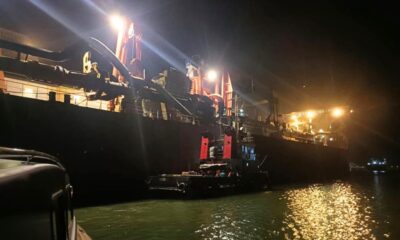
The Eagle LNG Talleyrand LNG Bunker Station that supplies liquefied natural gas (LNG) marine fuel to Crowley’s LNG powered ConRo ships, El Coquí and Taino, for the U.S. mainland to Puerto Rico container and vehicle trade and shipping route has now entered full routine operations.

“Today marks another key accomplishment for our company with our Talleyrand terminal providing LNG bunkering to refuel Crowley’s newest ConRo, LNG-powered ship, Taino. The Taino joins Crowley’s other LNG powered ship, El Coquí, in weekly scheduled LNG fuelling,” said Sean Lalani, President of Eagle LNG.

“The Talleyrand marine bunkering terminal in JAXPORT is capable of providing LNG fuel for the maritime industry while its small two-acre design can be easily replicated in other coastal ports.

“We are proud of our partnerships with Crowley, the Jacksonville community and JAXPORT without whom this cutting-edge bunkering technology could not have come to fruition.”

Eagle LNG’s Talleyrand LNG Bunker Station is built with 500,000 LNG-gallons of storage capacity and with a design capacity flow rate of 2,700 gallons per minute, sufficient to fuel each of Crowley’s vessels in less than eight hours.

The LNG bunkering station is routinely filled via truck from Eagle LNG’s Maxville LNG Facility, which liquefies natural gas, located in West Jacksonville. The Maxville LNG Facility has another 1 million LNG-gallons of storage capacity, assuring security of supply for Crowley’s weekly bunkering events.

Eagle LNG transfers LNG to power Crowley’s ConRo ships through a Mobile Transfer Unit with ongoing simultaneous operations, including gantry crane operation and container movement forward, and RORO aft of accommodation. The permanent infrastructure ensures transfer of the highest quality, coldest liquid fuel, increasing ships’ range and time between ‘fill-ups.’

Eagle LNG is developing a larger, on-water liquefaction plant and terminal in Jacksonville, known as the Jacksonville Export Facility, capable of liquefying 1.65 million LNG-gallons per day with 12 million LNG-gallons of storage capacity for natural gas exports and additional marine bunkering demand.

Moving forward, Eagle LNG is expecting to offer the lowest cost LNG for bunkering in the southeast United States once the Jacksonville Export Facility is completed and combined with the Talleyrand LNG Bunker Station.

Related: Crowley Maritime takes delivery of second LNG-fuelled ConRo ship
RelatedCrowley Maritime christens LNG-fuelled RoCon El Coquí
RelatedCrowley receives LNG-powered ConRo vessel
RelatedST Engineering shares building experience of LNG-powered ConRo
RelatedEagle LNG bunkering terminal obtains U.S. FERC draft approval
RelatedJacksonville LNG bunkering terminal secures avails
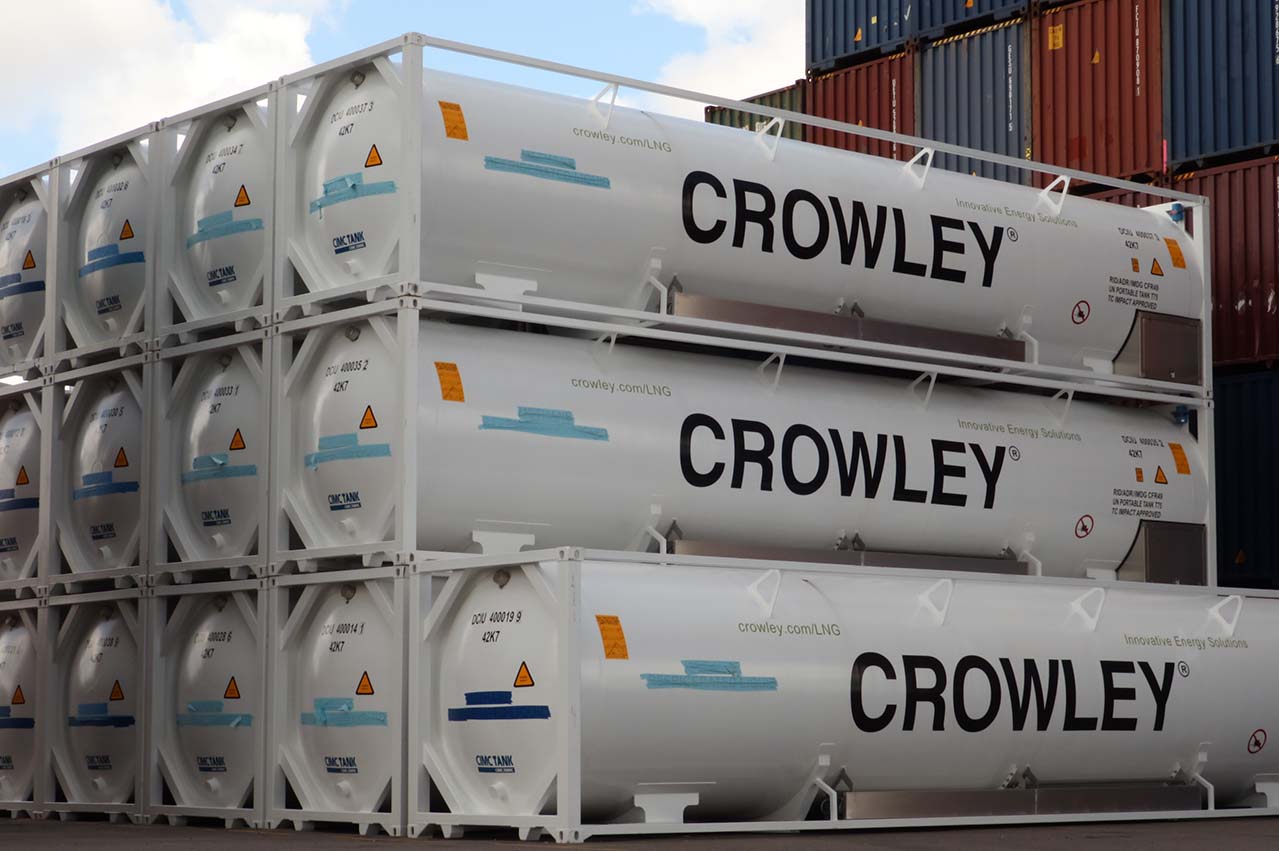
RelatedCrowley celebrates first loading of LNG ISO tank

Photo credit: Eagle LNG
Published: 11 January, 2019


Continue Reading

LNG Bunkering

Osaka Gas conducts Osaka Bay’s first STS LNG bunkering operation

Acting through Singapore-based marine fuel trading firm Integr8 Fuels, Osaka Gas supplied LNG bunker fuel to an LNG-fuelled PCTC operated by an overseas shipping company calling at the Port of Kobe.
Admin

Published

on

By

Osaka Gas conducts Osaka Bay’s first STS LNG bunkering operation

Japanese energy company Osaka Gas on Friday (4 September) said it has successfully completed the first-ever ship-to-ship LNG bunkering operation in Osaka Bay, supplying LNG fuel to an LNG-fuelled PCTC.

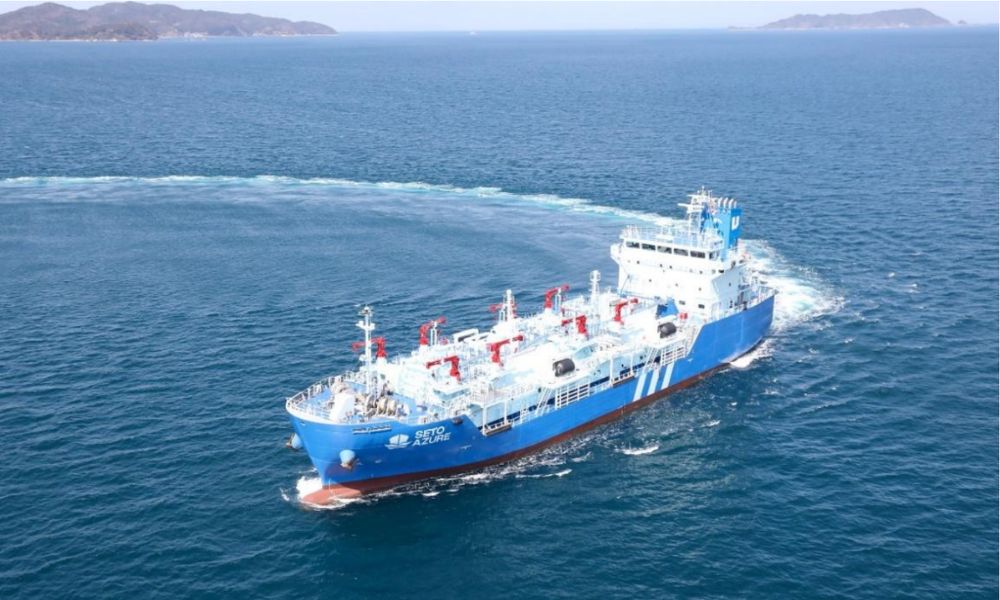
The operation was conducted using SETO AZURE, an LNG bunkering vessel owned by Osaka Bay LNG Shipping Co Ltd, an affiliated company of Osaka Gas. 

Acting through Integr8 Fuels Pte Ltd, a Singapore-based marine fuel trading company, Osaka Gas supplied LNG fuel to an LNG-fuelled PCTC operated by an overseas shipping company calling at the Port of Kobe.

Ship-to-ship bunkering will help ensure a stable supply of LNG fuel in the Osaka Bay area and support the development of the Port of Kobe as a Carbon Neutral Port.

In addition to ship-to-ship bunkering, Osaka Gas provides LNG fuel through truck-to-ship bunkering and port-to-ship bunkering. With capability covering all three major LNG bunkering methods, Osaka Gas provides flexible and reliable LNG fuel supply services to meet customers’ diverse needs.

The company said LNG bunkering infrastructure in Japan remains insufficient, highlighting the need to establish a stable fuel supply network to support the wider adoption of LNG-fuelled vessels.


Photo credit: Osaka Gas
Published: 8 September, 2026

Continue Reading

Alternative Fuels

ORLEN and Port of Gdynia to explore LNG and bio-LNG bunkering in Poland

Cooperation will examine market demand, the potential scale of LNG and bioLNG bunkering, required infrastructure, operating conditions and the regulatory framework needed to support future services.
Admin

Published

on

By

ORLEN and Port of Gdynia to explore LNG and bio-LNG bunkering in Poland

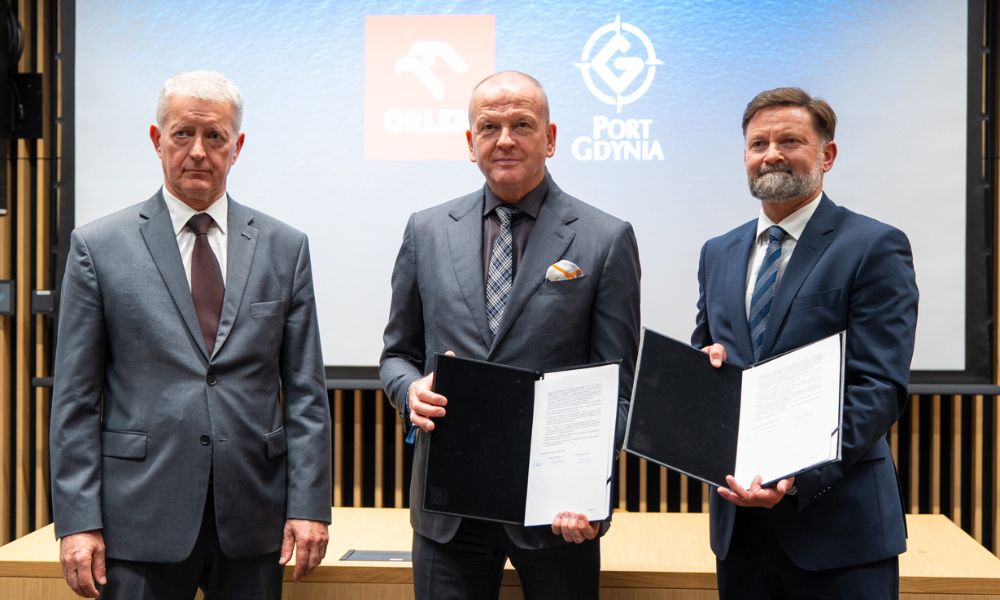
Polish energy company ORLEN on Friday (4 September) said it has signed an agreement with Port of Gdynia Authority to assess the development of LNG and bioLNG bunkering services for marine vessels, as both organisations explore infrastructure and market solutions that could expand access to alternative fuels along the Polish coast.

The cooperation will examine market demand, the potential scale of LNG and bioLNG bunkering, required infrastructure, operating conditions and the regulatory framework needed to support future services.

One of the main areas under consideration will be waterside bunkering, including ship-to-ship operations, where fuel is transferred directly from a bunker vessel to another ship while in port.

Robert Soszyński, Vice President of the ORLEN Management Board for Operations, said the cooperation with the Port of Gdynia forms part of the Group’s broader fuel portfolio transformation through 2035.

Under ORLEN’s strategy, natural gas, including LNG, is expected to retain an important role as a transitional fuel supporting energy security and transport decarbonisation.

The company is seeking to strengthen capabilities across the full value chain, including fuel sourcing, logistics and final use.

At the same time, ORLEN is developing renewable fuel capabilities, including bioLNG, which the company sees as a potential route for reducing emissions in heavy-duty road transport and shipping.

Soszyński said ORLEN’s ambition is to work with ports not only as a fuel supplier but also as a partner in developing infrastructure and market conditions for alternative marine fuels in Poland and the wider region.

Piotr Gorzeński, CEO of the Port of Gdynia Authority, said the shipping industry’s energy transition is already changing the fuel and technology requirements faced by ports.

“Shipowners are increasingly examining ways to reduce emissions, while ports need to be capable of serving vessels using a wider range of propulsion technologies and fuels,” he said. 

The cooperation will include knowledge sharing and an assessment of requirements among shipowners and port users, particularly operators of scheduled ferry, container and ro-ro services.

ORLEN and the Port of Gdynia will also analyse bunkering models used at other European ports.

Among the options under review will be the suitability of ship-to-ship bunkering for larger vessels and the possibility of supplying fuel while ships are alongside the berth.

The partners will also examine whether bunkering could take place in parallel with cargo-handling operations.


Photo credit: ORLEN
Published: 8 September, 2026

Continue Reading

LNG Bunkering

Singapore-based EPS takes delivery of three LNG dual-fuel bulk carriers

Three vessels are the third, fourth and fifth in the company’s series of 14 Newcastlemaxes being built at the yard, and were delivered five months ahead of their contracted delivery dates.
Admin

Published

on

By

35

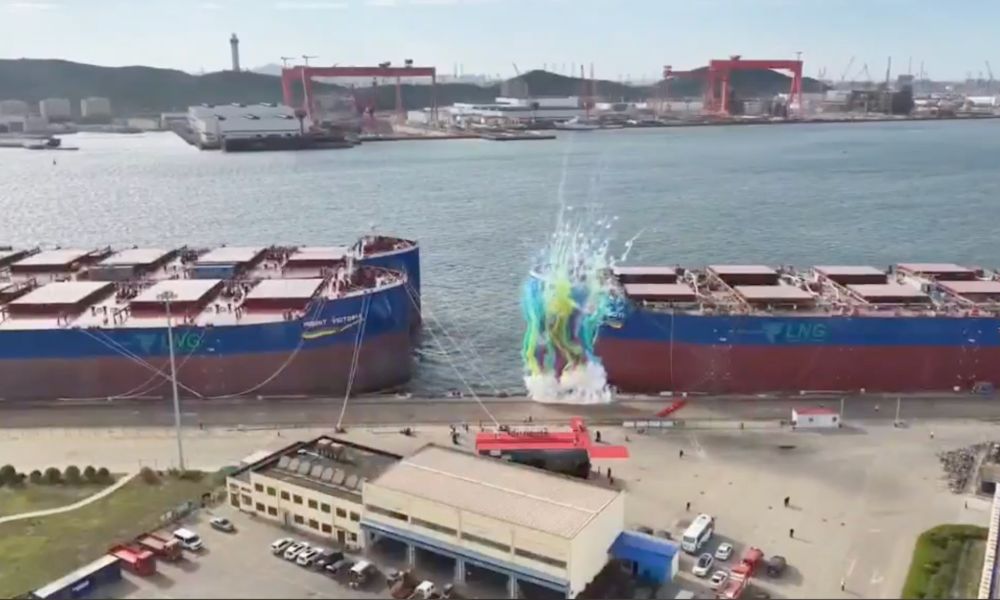
Singapore-based Eastern Pacific Shipping (EPS) on Friday (4 September) announced the naming and delivery of three new LNG dual-fuel Newcastlemax bulk carriers from China’s Qingdao Beihai Shipbuilding. 

Cyril Ducau, CEO of EPS, said the vessels were named Mount Victoria, Mount Yulong and Mount Wuyi

The three vessels are the third, fourth and fifth in the company’s series of 14 Newcastlemaxes being built at the yard, and were delivered five months ahead of their contracted delivery dates.

“A big thank you to CSSC Group and Qingdao Beihai Shipbuilding, working alongside our EPS team, for the tremendous collaboration and commitment behind this achievement,” Ducau said in a social media post.  


Photo credit: Eastern Pacific Shipping
Published: 7 September, 2026

Continue Reading

Trending