

Alternative Fuels
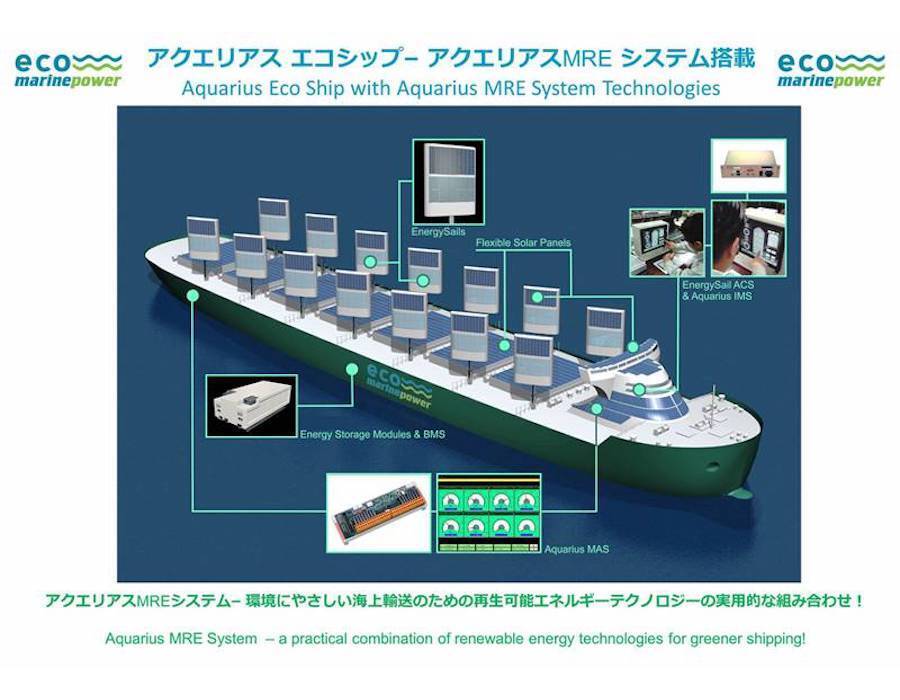
EMP’s EnergySail® test unit unveiled for demonstrations in Japan
Full scale version is an upgrade of the pre-production unit; solar panels can be installed to provide supplementary propulsive and electrical power.

Bunker Fuel
Singapore: Bunker fuel sales down by 3.8% on year in July 2026
4.73 million mt of various marine fuel grades were delivered at the world’s largest bunkering port in July, up from 4.92 million mt recorded during the similar month in 2025.
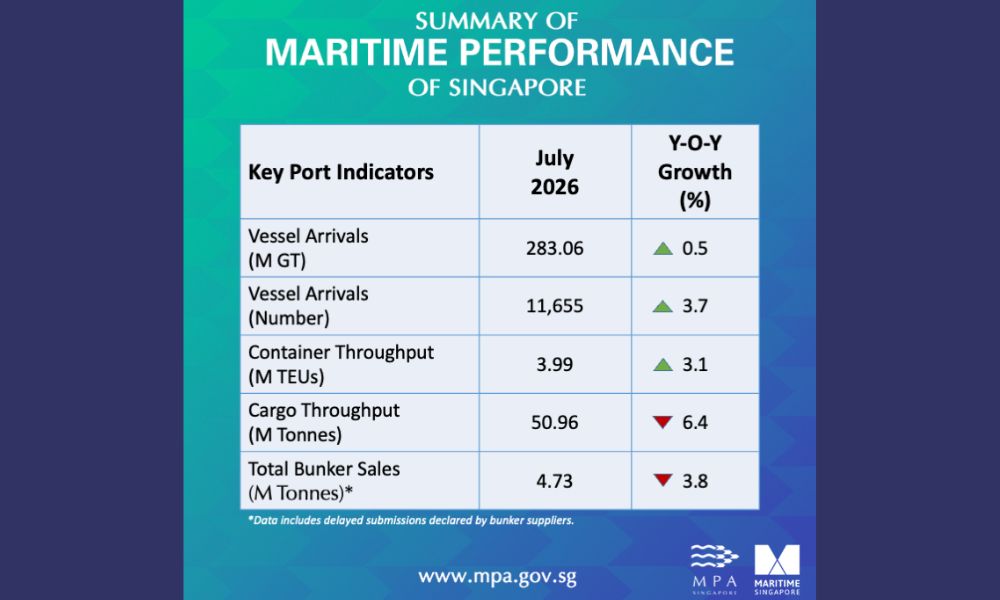
Sales of marine fuel at Singapore port fell by 3.8% on year in July 2026, according to data from the Maritime and Port Authority of Singapore (MPA).
In total, 4.73 million metric tonnes (mt) (exact 4,731,900 mt) of various marine fuel grades were delivered at the world’s largest bunkering port in July, up from 4.92 million mt (4,918,000 mt) recorded during the similar month in 2025.
Deliveries of marine fuel oil, low sulphur fuel oil, ultra low sulphur fuel oil, marine gas oil and marine diesel oil in July (against on year) recorded respectively 1.95 million mt (zero from 1.95 million mt), 2.33 million mt (-2.1% from 2.38 million mt), 1,600 mt (+100% from zero), 700 mt (-82% from 3,900 mt) and zero (from zero).
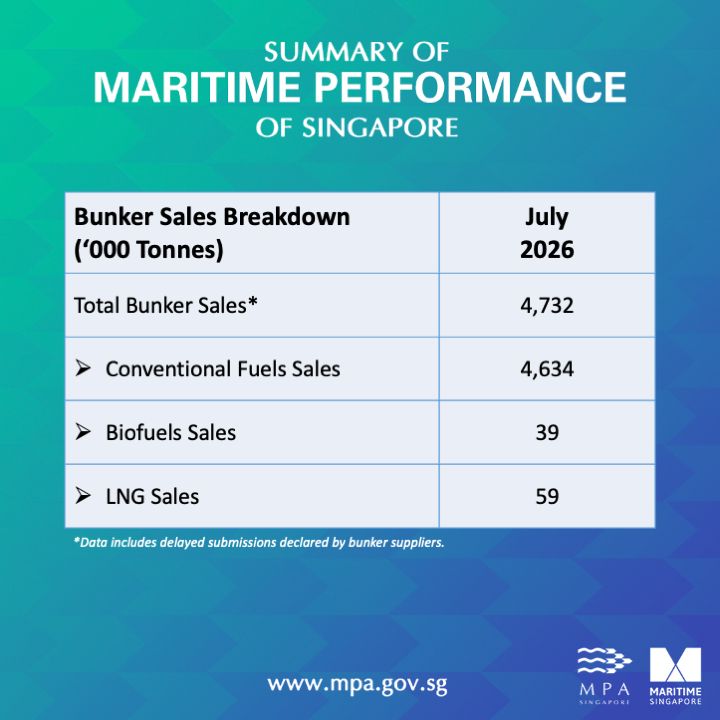
Bio-blended variants of marine fuel oil, low sulphur fuel oil, ultra low sulphur fuel oil, marine gas oil and marine diesel oil in July, (against on year) recorded respectively 8,200 mt (-83.7% from 50,300 mt), 29,900 mt (-62.9% from 80,500 mt), zero (from zero), zero (from zero) and zero (from zero). B100 biofuel bunkers, introduced in February last year, recorded 1,400 mt (-46.2% from 2,600 mt).
LNG and methanol sales were 58,700 mt (+41.4% from 41,500 mt) and zero (from zero) respectively. There were no recorded sales of ammonia for the month and so far since 2025.
Photo credit: Maritime and Port Authority of Singapore
Published: 17 August, 2026
Alternative Fuels
Ammonia, methanol bunkering workshops to be held at 13th Singapore Safety@Sea Week
Three workshops on ammonia bunkering, methanol bunkering, and crew safety awareness are part of MPA’s Safety@Sea Week, which will be held from 17 to 21 August.
Alternative Fuels
China: SIPG Energy completes first simultaneous two-vessel, two-fuel green bunkering operation
SIPG Energy says the simultaneous LNG and bio-methanol bunkering operations demonstrate Shanghai Port’s expanding capability to supply multiple green marine fuels at anchorage.
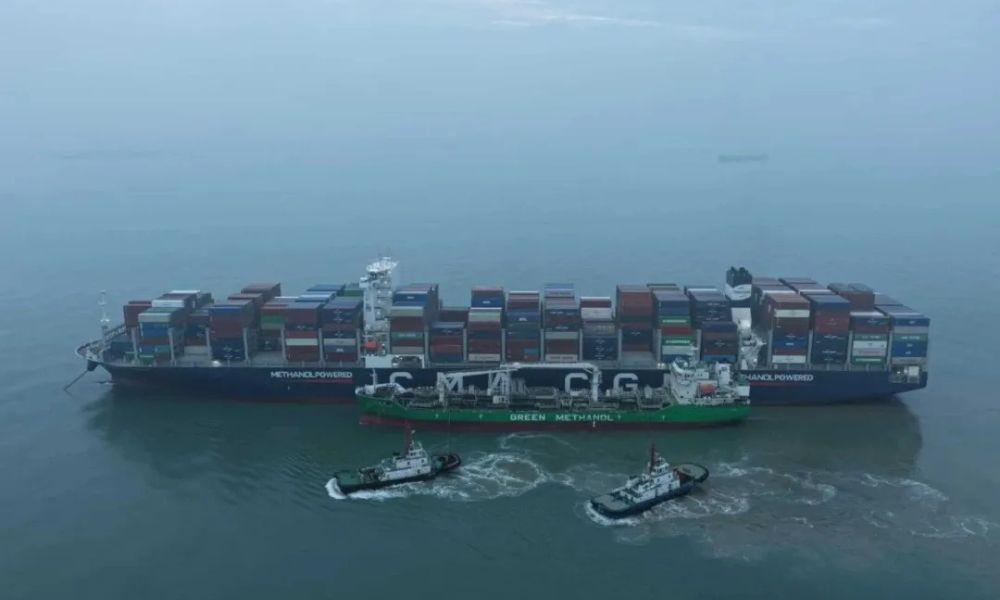
SIPG Energy (Shanghai) Co Ltd (SIPG Energy) on Sunday (16 August) completed what it described as China’s first simultaneous two-vessel bunkering operation involving two different green marine fuels at anchorage, supplying LNG and bio-methanol to two vessels.
The company’s LNG bunkering vessel Hai Gang Wei Lai supplied LNG to PIL’s KOTA ELAN, while methanol bunkering vessel Hai Gang Zhi Yuan supplied domestically produced biomass-based methanol to CMA CGM’s dual-fuel container ship CMA CGM OSMIUM.
According to SIPG Energy, the two bunkering operations were carried out simultaneously and safely, highlighting Shanghai Port’s growing ability to provide diversified and large-scale green-fuel bunkering services at anchorage.
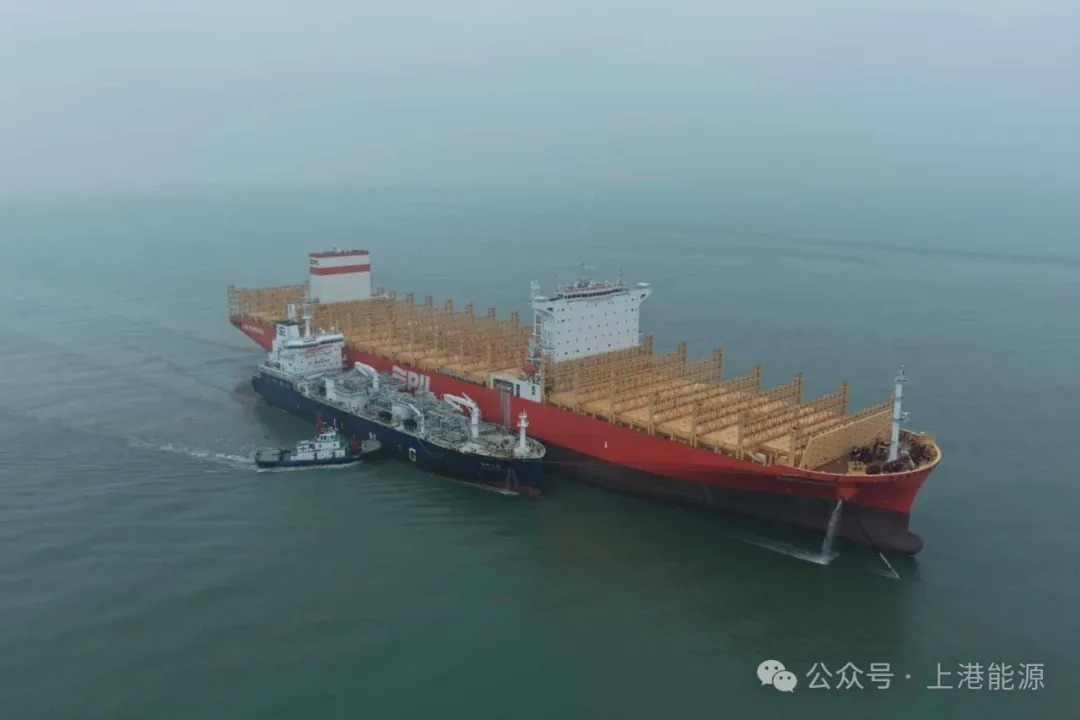
The operation required enhanced coordination in safety management, resource allocation and emergency response. Shanghai Maritime Safety Administration, Shanghai Customs and Shanghai General Station of Immigration Inspection, along with other supporting organisations, provided regulatory guidance and operational support.
“The combined efforts of all parties significantly improved the efficiency of bunkering at anchorage,” the company said.
The company said it will continue to expand its safe bunkering capabilities for bio-methanol, LNG and other green marine fuels, while broadening its fuel supply portfolio and service scenarios to support the shipping industry’s transition to lower-carbon marine fuels.
Photo credit: SIPG Energy
Published: 17 August, 2026

OUR INDUSTRY PARTNERS

Singapore: Bunker fuel sales down by 3.8% on year in July 2026

Ammonia, methanol bunkering workshops to be held at 13th Singapore Safety@Sea Week

Alkagesta highlights key insights on European choke point pressures in August

Singapore: Annual general meetings scheduled for Xihe Holdings subsidiaries

China: SIPG Energy completes first simultaneous two-vessel, two-fuel green bunkering operation

ENGINE: Zhoushan bunkering fully restored after typhoon disruption

Rotterdam port explosion kills one, injures six at petroleum storage facility

ENGINE: Europe and Africa Fuel Availability Outlook (5 August 2026)

ENGINE: East of Suez Fuel Availability Outlook (4 Aug 2026)

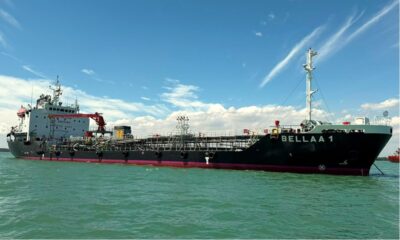
NW Corporation expands Malaysia bunkering fleet with acquisition of “BELLAA 1”

ENGINE: Americas Fuel Availability Outlook (6 August 2026)

Exclusive: Caroline Yang takes helm on future of IBIA Asia

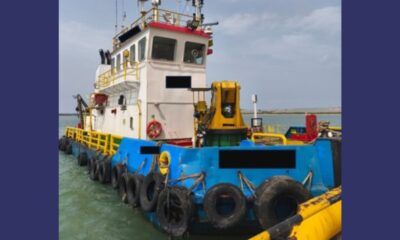
Singapore police arrest eight over alleged illegal MGO transaction off Tuas

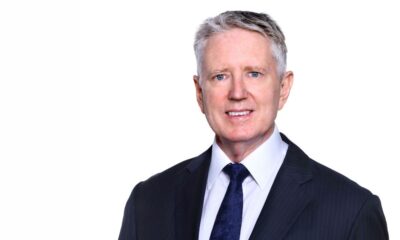
HFW strengthens Singapore shipping practice with partner Peter Glover
-
 Bunker Fuel Availability2 weeks ago
ENGINE: Europe and Africa Fuel Availability Outlook (5 August 2026)
-
 Bunker Fuel Availability2 weeks ago
ENGINE: East of Suez Fuel Availability Outlook (4 Aug 2026)
-
 Bunker Fuel6 days ago
NW Corporation expands Malaysia bunkering fleet with acquisition of “BELLAA 1”
-
 Bunker Fuel Availability2 weeks ago
ENGINE: Americas Fuel Availability Outlook (6 August 2026)
-
 Interview2 weeks ago
Exclusive: Caroline Yang takes helm on future of IBIA Asia
-
 Legal4 days ago
Singapore police arrest eight over alleged illegal MGO transaction off Tuas
-
 Legal2 weeks ago
HFW strengthens Singapore shipping practice with partner Peter Glover
-

 Sanctions6 days ago
Reed Smith relocates sanctions partner Alex Brandt from London to Singapore