Connect with us
DNV Decarbonization Insight Series August 2026 - What maritime professionals should know about AI Training

Business

ExxonMobil introduces EMF.5 branded range of 0.50% sulphur bunkers

Engineered Marine Fuels designed to help vessel operators comply with IMO 2020 while ensuring quality.

Admin

Published

on

5d1d58e490151 1562204388

ExxonMobil on Wednesday (3 July) introduced EMF.5™, its range of Engineered Marine Fuels developed ahead of the International Maritime Organization’s (IMO) global 0.50% sulphur cap.

All the fuels in the range are specifically engineered to help vessel operators comply with the 2020 regulations without compromising on quality, it says.

All EMF.5 fuels announced to date are compatible with each other, provided that bunkering, storage and handling best practice guidance is followed. The fuels also offer safe and efficient compliance with the IMO 2020 regulations.

In addition to meeting the ISO 8217-2017 specification, EMF.5 fuels have also passed ExxonMobil’s rigorous fit-for-use assessments, allowing customers to bunker the high quality, compliant options they need ahead of the IMO 2020 deadline.

This combination of characteristics will help ensure that vessel operators can continue to operate their main engines, auxiliary engines and boilers safely and efficiently when they switch to 0.50 percent sulphur fuels, as the negative, operational and financial consequences of a major product quality problem could be very significant.

ExxonMobil has also developed a newly formulated 40BN cylinder oil, Mobilgard™ 540, which is specifically designed to work with low-sulphur fuels. The new lubricant will be available across the company’s global port network and via its extensive distribution network.

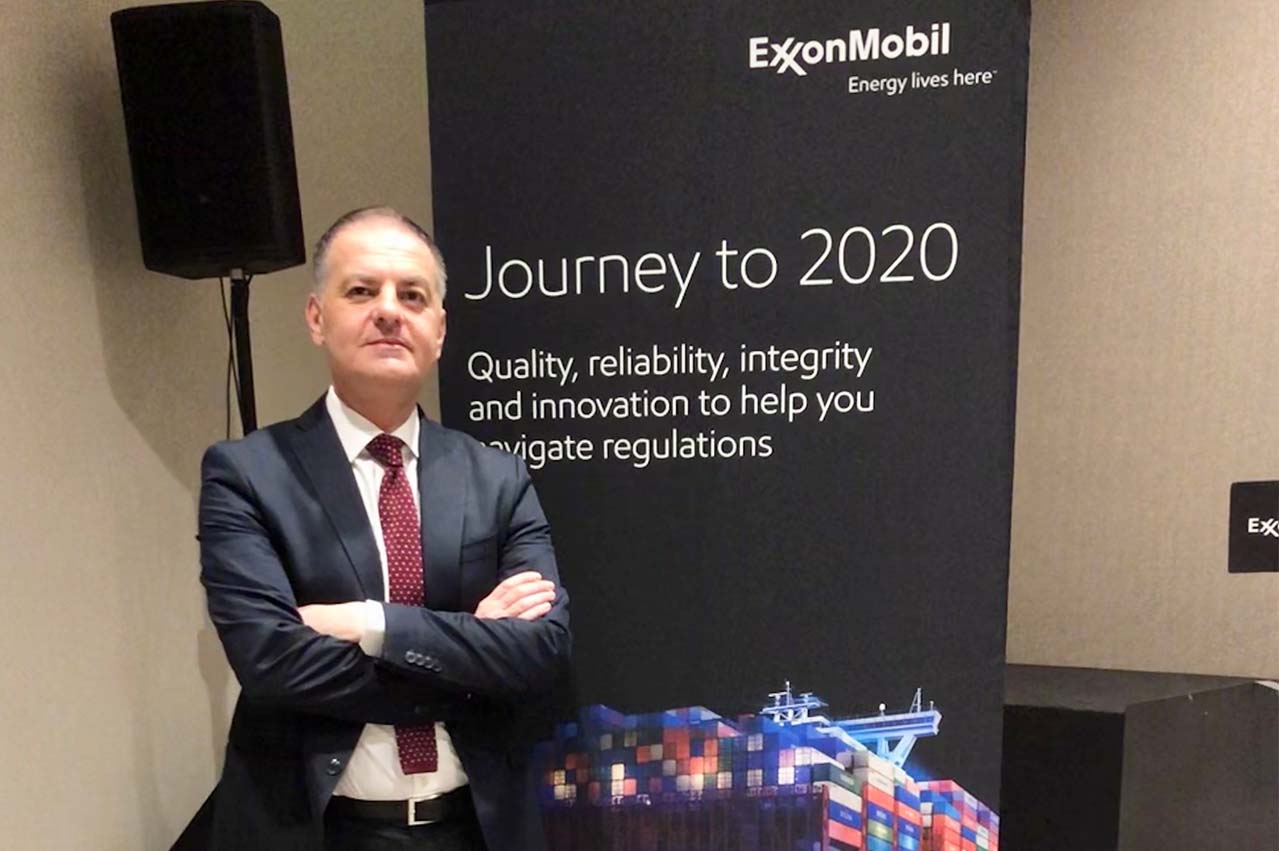
“Compliance should not come at the expense of fuel quality, and our EMF.5 range delivers assurances on both to the marine industry,” said Luca Volta, marine fuels venture manager at ExxonMobil.

“By including our 0.50 percent sulphur fuels in our branded marine offer, we are delivering the additional security that vessel operators want, and need, every time they bunker.”

“The increasing variety of fuels entering the market raises the potential of quality and compatibility challenges,” said Mike Noorman, head of fuels technology at ExxonMobil Research and Engineering Company.

“We have developed proprietary methods for modifying fuel composition to improve quality characteristics, such as combustion, stability, waxing and compatibility. Therefore, purchasing ExxonMobil’s EMF.5 fuels can help allay these concerns at a time of great change for the industry.”

For more information about ExxonMobil’s EMF.5 marine fuels, visit www.exxonmobil.com/en/marine/products/emf5-marine-fuels

Watch ExxonMobil’s EMF.5 launch video here.

Related: SIBCON: ExxonMobil adds locations for 2020 compliant marine fuels
Related: ExxonMobil launches Mobilgard™ 540 cylinder oil

Published: 4 July, 2019
 

Continue Reading

Business

IBT Bunkering & Trading appoints Kevin Döhmen to lead Singapore expansion

Döhmen will lead the new Singapore office, with responsibility for managing and developing the operation and strengthening relationships with customers and partners.
Admin

Published

on

By

IBT Bunkering & Trading appoints Kevin Döhmen to lead Singapore expansion

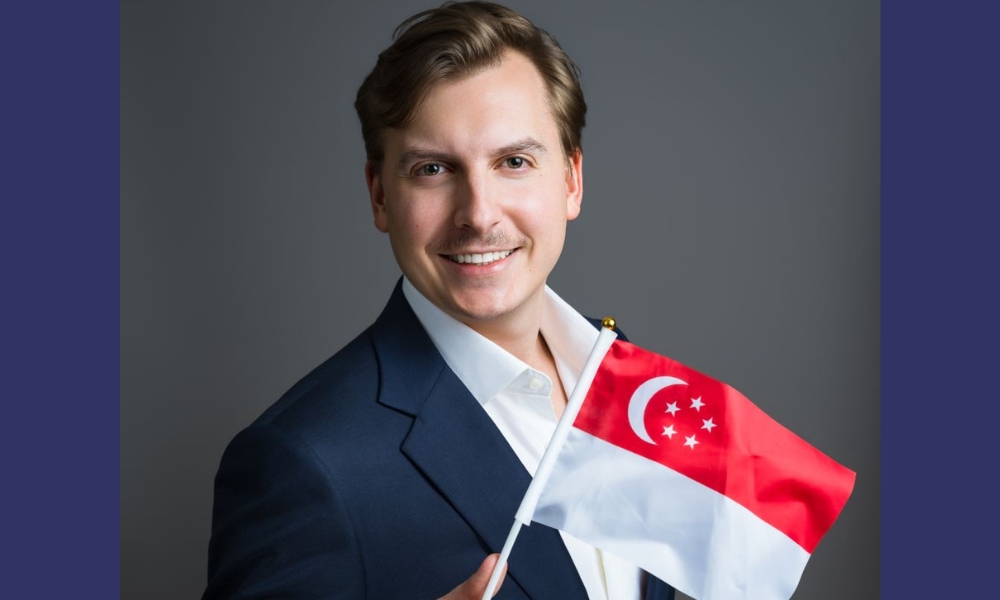
Hamburg-based marine fuels firm IBT Bunkering & Trading on Wednesday (12 August) said it has appointed Kevin Döhmen as Executive Vice President to lead the company’s new Singapore office. 

Manifold Times previously reported the company announcing that it is opening its doors in Singapore and will be running a trading desk in the city-state after trading bunkers out of Hamburg since 1976.

The company said Kevin Döhmen will lead the new Singapore office, with theresponsibility for managing and developing the operation and strengthening relationships with customers and partners.

IBT said the Singapore office represents an important first step in strengthening its presence in Asia.

“At the same time, we are actively exploring further opportunities to expand our activities and establish new partnerships in this key maritime hub,” the company said. 

Döhmen said: “Singapore is the heartbeat of global bunkering. Bringing IBT’s Hamburg roots — 50 years of them — onto the ground in this hub is a real privilege, and I couldn’t be more ready for it.”

IBT said it will maintain the service approach established through its Hamburg operations while building its activities in Singapore.

The company described the move as bringing together its Hamburg roots and Singapore presence through a global bunker network. 

Related: German firm IBT Bunkering & Trading establishes Singapore presence, adds second trading desk


Photo credit: IBT Bunkering & Trading
Published: 13 August, 2026

Continue Reading

Bunker Alerts

Low flashpoint found in Indonesia bunker fuels, alerts Maritec-Naias

Firm tested eight bunker samples representing LSMDO and B40 fuel grade from vessels that took fuel oil /bunkered in Indonesia ports, which indicated flashpoints as low as 39.5°C.
Admin

Published

on

By

RESIZED Shaah Shahidh on Unsplash

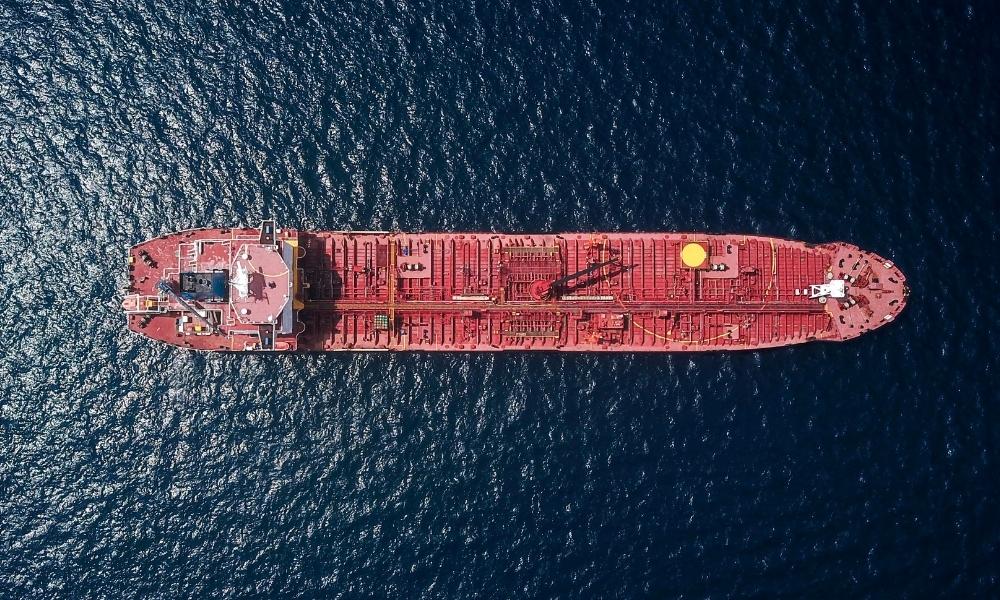
Bunker fuel testing and marine surveying business Maritec-Naias on Wednesday (12 August) issued an alert regarding bunker samples from vessels that took fuel oil/bunkered in Indonesia showing flashpoints as low as 39.5°C:

During the period of 21 July to 04 August 2026, Maritec-Naias tested eight bunker samples representing Low Sulfur Marine Distillate Oil (LSMDO) and B40 fuel grade from vessels that took fuel oil /bunkered in Indonesia ports, which indicated Flashpoints as low as 39.5°C.

All eight fuel samples tested were sourced from a single supplier.

Regulatory Implications:

Based on the results of the eight samples tested, the fuels do not comply with the minimum flashpoint requirement of 60 °C set by SOLAS and ISO 8217.

As per SOLAS requirements, the minimum flashpoint of any fuel carried in the tanks of a ship should be not less than 60 °C (with exception of fuel for lifeboats, which can be grade DMX with a flash point min of 43 °C).

ISO 4259 interpretation for tested flashpoint temperature is not taken into consideration here as the safety of onboard crew and vessel is of higher precedence.

Since 01 May 2024, it has been a MARPOL Annex VI requirement that the Bunker Delivery Note (BDN) includes either the actual flashpoint of a fuel as supplied or a declaration that its flashpoint has been determined as being at or above 70°C.

From 1 January 2026, SOLAS amendments clarified that the flashpoint requirement applies to fuels, which were specifically intended to have a flashpoint not less than 60°C as required under SOLAS II‑2/2.1.1 These amendments now align with MARPOL by requiring flashpoint details to be recorded on the BDN. Additionally, prior to bunkering, suppliers must provide the ship’s representative with a signed declaration confirming that the fuel meets the SOLAS flashpoint standard.

MARITEC-NAIAS RECOMMENDATIONS

When ordering fuels from Indonesia it is advised to insist on getting the actual flash point values from the supplier. If your vessel has bunkered a low flashpoint fuel it is prudent to observe/implement the precautions below:

  • Flame screens on tank vents should be maintained in good condition and there should be no sources of ignition in the vicinity of the vents. This will assist in safe natural ventilation of volatile components in the fuel.
  • No Smoking, no naked flame and no hot work must be allowed at any areas near to tank air vents.
  • Send additional tank(s) samples upon arrival in port to check the fuel properties and flash point results especially if there has been co-mingling of fuels in bunker tanks
  • If the vessel is out at sea, it may be possible to obtain dispensation from your Flag State Administration up to the next arrival port.
  • Put the supplier on notice promptly and notify your P&I club.


Photo credit: Shaah Shahidh on Unsplash
Published: 13 August, 2026

Continue Reading

Methanol

China: Xiamen issues safety guidelines for methanol bunkering operations

New guidelines establish safety requirements across the full methanol bunkering process, supporting the expansion of green marine fuel supplies at Xiamen Port.
Admin

Published

on

By

Xiamen, China

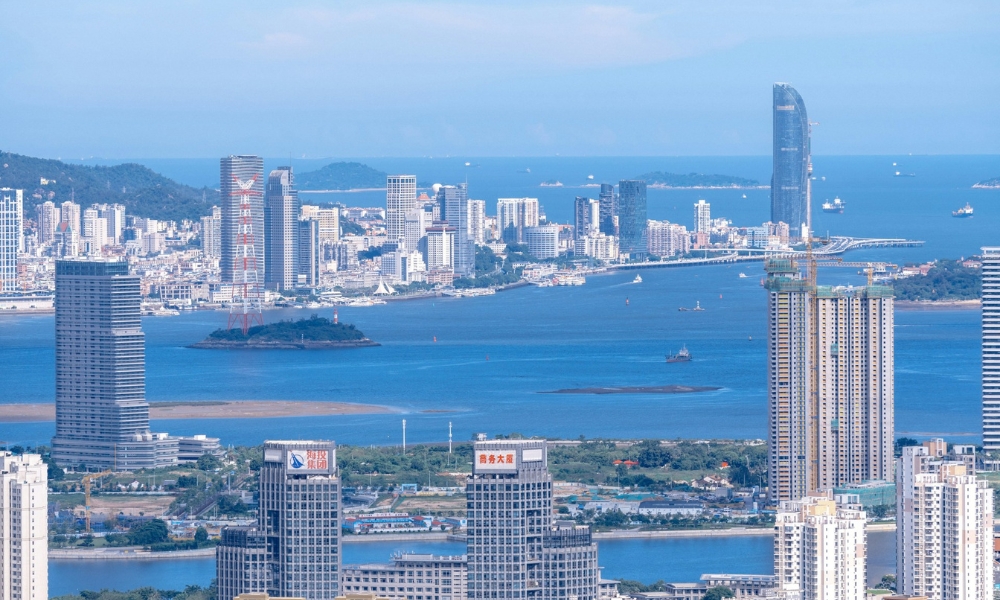
Xiamen Free Trade Zone on Monday (10 August) said its Administrative Committee recently jointly issued the Safety Guidelines for Marine Methanol Fuel Bunkering in Xiamen Waters with Xiamen Port Authority and Xiamen Maritime Safety Administration, establishing a framework for methanol bunkering operations in the port.

The guidelines are the first safety operating standard in Fujian province specifically covering marine methanol fuel bunkering. They apply to methanol bunkering operations conducted by bunker vessels in Xiamen waters and set out safety requirements covering the entire operation, from preparation through completion.

The guidelines specify requirements for bunkering companies, equipment and materials used on bunker vessels, hose inspection intervals, personnel certification and personal protective equipment.

They also require operators to conduct dedicated risk assessments and prepare emergency response plans before operations begin. During bunkering, operators must maintain continuous monitoring and comply with specified weather restrictions. After completion, pipelines must undergo procedures including purging and inerting.

Xiamen Port has previously carried out ship-to-ship bunkering of biofuels and LNG. The new guidelines provide a regulatory framework and operational basis for methanol bunkering and are intended to support the safe and orderly conduct of such operations.

The move is also expected to help Xiamen Port expand its market and bunkering capacity for green marine fuels. 


Photo credit: Woo Winter on Unsplash
Published: 13 August, 2026

Continue Reading

Trending