

Business
Malaysia: MMEA arrests five vessels in six-hour period over alleged entry permission offenses
Togo-registered cargo ship, Cayman Islands-registered tanker, Panama-registered tanker, and two barter trade boats were part of latest round of arrests.

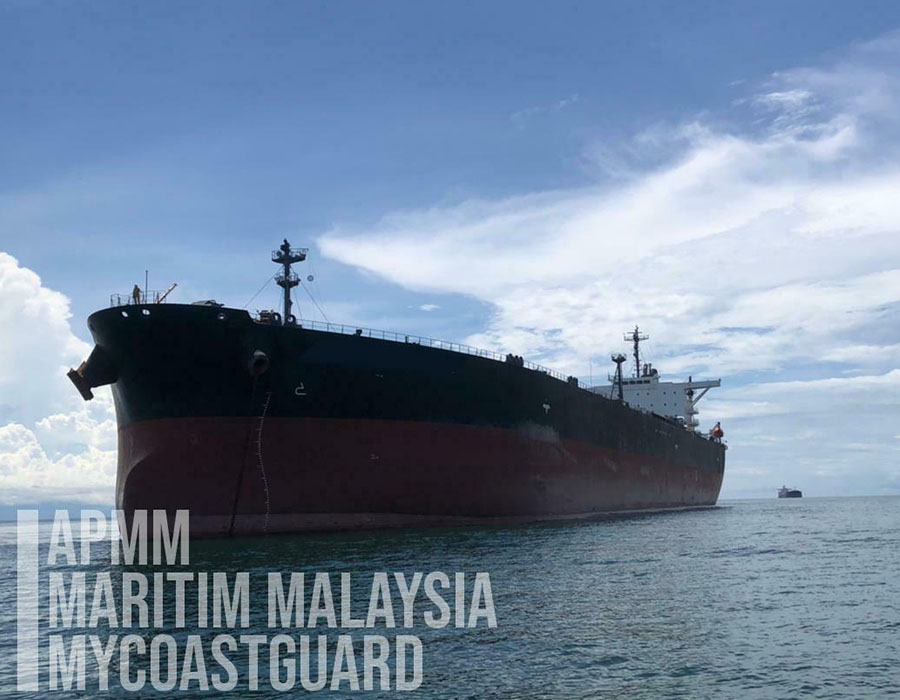
The Johor State division of Malaysia Maritime Enforcement Agency (MMEA) on Monday (16 August) said it has successfully arrested five ships during a six-hour period on Sunday over alleged entry permission offenses.
Johor State Maritime Director, First Admiral Nurul Hizam bin Zakaria, stated two tankers and a cargo ship were arrested by MMEA assets in the Tanjung Sedili Maritime Zone via Op Anchor Haram, while two barter trade boats were arrested within the Batu Pahat Maritime Zone.
All five vessels allegedly failed to present any documents of permission to enter Malaysia’s waters, he noted.
The first detention involving a Togo-registered cargo ship occurred around 9.47 am at 13 eastern nautical miles of Tanjung Balau, Johor; the vessel had a crew of 16 comprising of Egyptian and Syrian individuals between 22 to 46 years old.
At approximately 1.55 pm, a Cayman Islands registered tanker was arrested at 13.1 nautical miles northeast of Tanjung Siang, Johor; the tanker was operated by 27 Filipino and Russian crew between 20 to 57 years old.
The third detention was carried out against a Panama-registered tanker at 13.9 nautical miles east of Tanjung Siang, not far from where the second tanker was arrested; the vessel was manned by 25 Filipino and Russian crew aged between 23 to 63 years old.
Within the Batu Pahat Maritime Zone, MMEA personnel arrested two barter trade boats around 3.35 pm at 2.4 nautical miles of southwest Tanjung Tohor; the boats were operated by eight Indonesian crew between 25 years to 42 years old.
All vessels involved are arrested and will be investigated under Section 491 B (1) (l) of the Merchant Shipping Ordinance 1952. If found guilty, parties face a fine not exceeding RM 100,000 or an imprisonment term for not more than two years, or both.
“Malaysian Maritime [MMEA] through the Johor State Maritime will continue to increase enforcement and patrol around Johor’s water area to curb illegal distanced ships,” states MMEA.
“It is advised to all ship owners and shipping agents to continue to obey and respect the rule of state water laws especially in Johor.”


A series of earlier MMEA detentions in 2021 have been reported by bunkering publication Manifold Times (below):
Related: Malaysia: MMEA arrest two oil tankers at East Johor
Related: Malaysia: MMEA arrests Port Klang registered tanker over alleged illegal anchoring
Related: Malaysia: MMEA arrests oil tanker from South Korea over maritime violation
Related: Malaysia: MMEA detains oil tanker during op at Tanjung Kelesa, Johor
Related: Malaysia: “Zephyr Lumos” and “Galapagos” collide in Muar region
Related: MMEA Johor arrests “Sierra Leone”-registered tanker and local fishing boat
Related: MMEA detains Japan-registered ‘Eneos Ocean’ for allegedly anchoring without permission
Related: MMEA arrests Hong Kong registered tanker, Singapore tugboat in alleged illegal entry
Related: Malaysia: Offshore supply vessels in illegal STS oil transfer at Kemaman; arrested
Related: Malaysia: Oil tanker “JW Jewel” caught, after escaping from detention position
Related: Malaysia: MMEA maintains effort to keep up security, Italy registered vessel detained
Related: MMEA ‘Ops Jangka Haram’ a success, plans collaboration to increase region security
Related: Malaysia: MMEA detains five more oil tankers in special ops, total detentions stand at 18
Related: Malaysia: MMEA reports no new vessels anchoring illegally, five days into special ops
Related: MMEA search detects 15 illegally anchored oil tankers in latest aerial sweep
Related: Malaysia: Government losing out on millions in revenue from unpaid anchorage fees
Related: Malaysia: MMEA launches special ops to evict 100 illegal vessels in eastern Johor
Related: MMEA reports Johor eastern waters to be ‘hotspot’ for vessels to anchor illegally
Related: MMEA detains Liberian registered tanker for allegedly anchoring illegally in Perak
Related: MMEA detains Panama registered tanker for allegedly anchoring illegally in Selangor
Related: MMEA detains Thailand registered tanker for allegedly anchoring illegally in Selangor
Related: MMEA detains Singapore flagged tanker suspected of illegal oil transfers in Selangor
Related: MMEA detains Panama flagged tanker for anchoring illegally in eastern Johor
Related: Malaysia: MMEA detains loaded oil tanker for allegedly anchoring illegally in Perak
Related: MMEA detains tanker ‘MT Tahiti’ in Malacca waters for anchoring without a permit
Related: MMEA detains St Kitts & Nevis registered tanker for anchoring illegally in eastern Johor
Related: MMEA detains Malaysia & Mongolia registered tankers for anchoring illegally in Johor
Related: Malaysia: MMEA detains tanker for anchoring without a permit in southeastern Johor
Photo credit: MMEA
Published: 17 August, 2021
LNG Bunkering
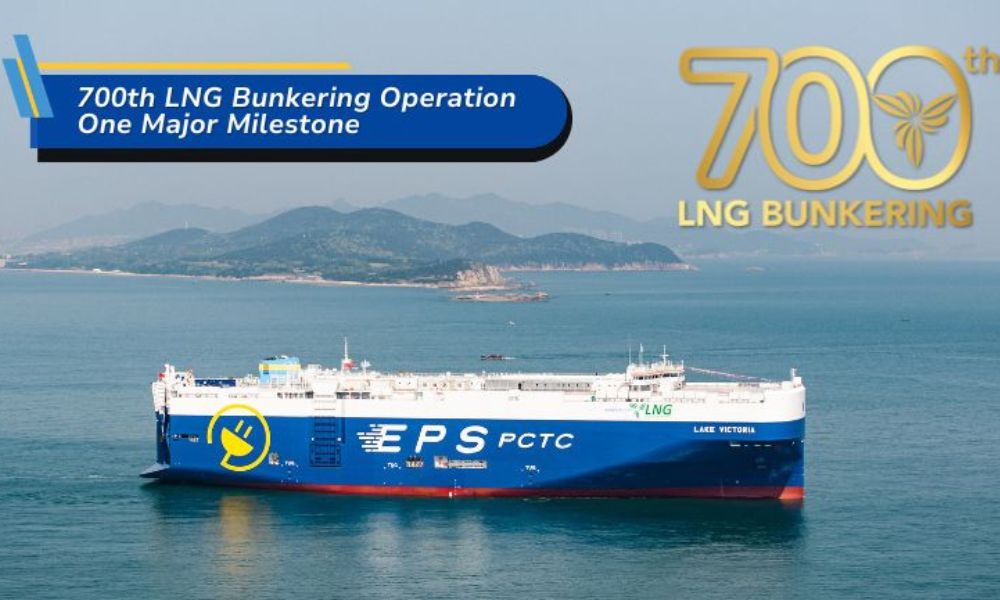
Singapore: Eastern Pacific Shipping hits 700 LNG bunkering milestone
Since commencing LNG bunkering operations in November 2020, the company said it has completed a total LNG bunkering volume of 2,920,191 cubic metres.
LNG Bunkering
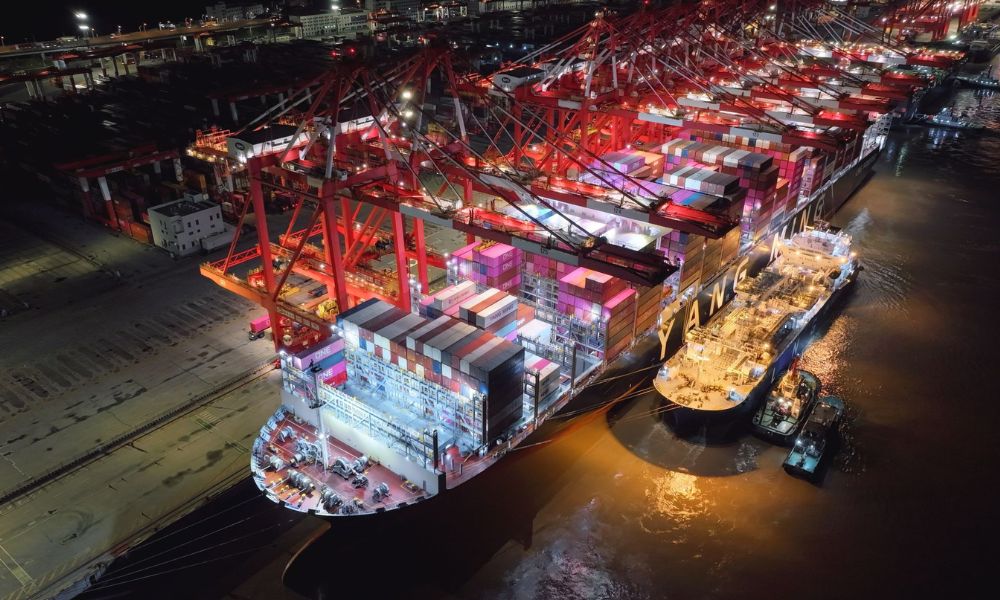
Yang Ming dual-fuel vessel completes first SIMOPS LNG bunkering operation in Shanghai
“YM Willpower” successfully received around 2,000 mt of LNG alongside active cargo handling, significantly enhancing operational efficiency during the port call.
Methanol
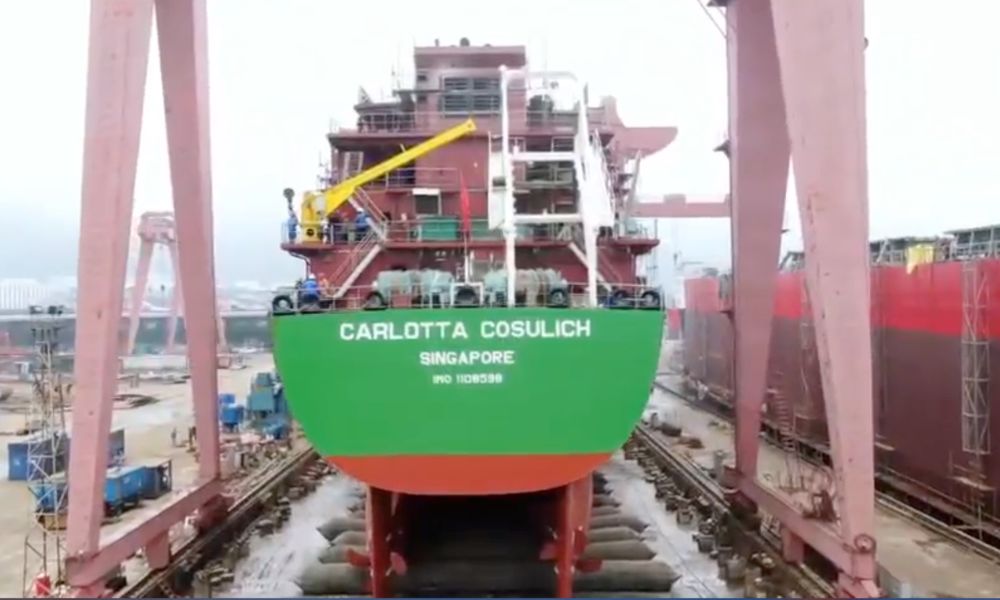
Fratelli Cosulich launches methanol-ready bunker tanker in China
Designed with MarineLINE-coated cargo tanks and methanol readiness from the outset, “Carlotta Cosulich” combines operational flexibility with future-fuel readiness.

OUR INDUSTRY PARTNERS

Singapore: Eastern Pacific Shipping hits 700 LNG bunkering milestone

Yang Ming dual-fuel vessel completes first SIMOPS LNG bunkering operation in Shanghai

Fratelli Cosulich launches methanol-ready bunker tanker in China

MOL names LNG dual-fuel VLCC for Equinor time charter

New safety and training resources launched for ammonia-fuelled vessels

Germany launches EUR 70 million funding programme for green inland shipping corridors

ENGINE on Fuel Switch Snapshot: Pooling drop reshuffles fuel economics

ENGINE: Europe and Africa Fuel Availability Outlook (5 August 2026)

ENGINE: East of Suez Fuel Availability Outlook (4 Aug 2026)

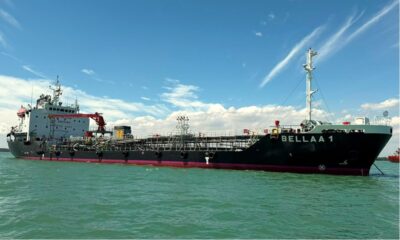
NW Corporation expands Malaysia bunkering fleet with acquisition of “BELLAA 1”

ENGINE: Americas Fuel Availability Outlook (6 August 2026)

Exclusive: Caroline Yang takes helm on future of IBIA Asia

Singapore police arrest eight over alleged illegal MGO transaction off Tuas

Reed Smith relocates sanctions partner Alex Brandt from London to Singapore
-
 Bunker Fuel Availability2 weeks ago
ENGINE: Europe and Africa Fuel Availability Outlook (5 August 2026)
-
 Bunker Fuel Availability2 weeks ago
ENGINE: East of Suez Fuel Availability Outlook (4 Aug 2026)
-
 Bunker Fuel6 days ago
NW Corporation expands Malaysia bunkering fleet with acquisition of “BELLAA 1”
-
 Bunker Fuel Availability2 weeks ago
ENGINE: Americas Fuel Availability Outlook (6 August 2026)
-
 Interview2 weeks ago
Exclusive: Caroline Yang takes helm on future of IBIA Asia
-
 Legal4 days ago
Singapore police arrest eight over alleged illegal MGO transaction off Tuas
-
 Sanctions6 days ago
Reed Smith relocates sanctions partner Alex Brandt from London to Singapore
-

 Technology2 weeks ago
ZeroNorth debuts new agentic AI partner for maritime operations