
Alternative Fuels
Mitsui O.S.K. Lines names and launches LNG-fuelled ferry “Sunflower Murasaki”
Vessel is a sister ship to the “Sunflower Kurenai” which was named and launched in March of this year; MOL ordered two more LNG-fuelled ferries to be launched in 2025.

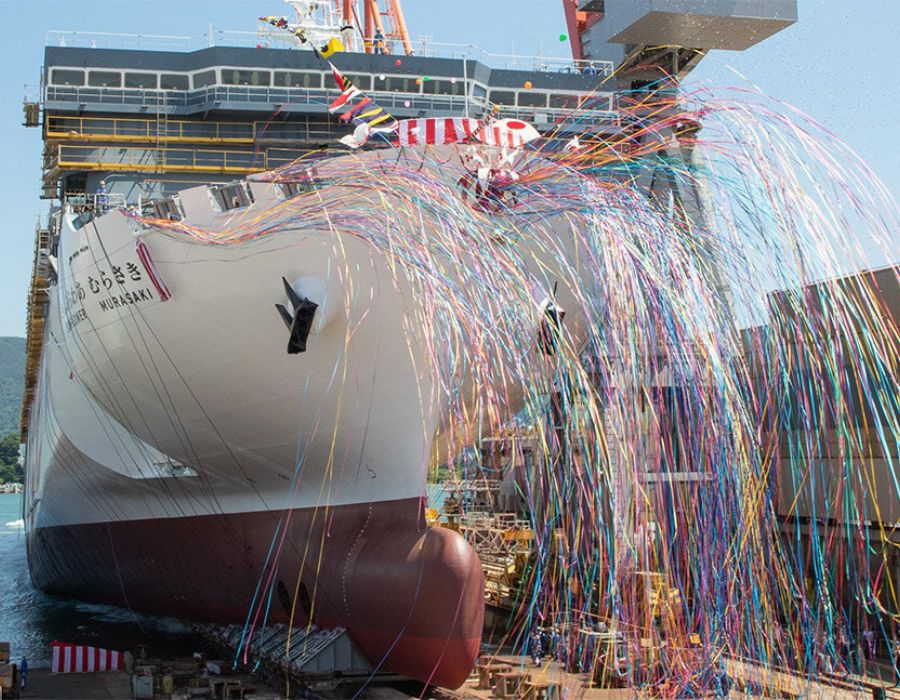
Japanese shipping firm Mitsui O.S.K. Lines, Ltd. (MOL) on Tuesday (30 August) said it held naming and launching ceremonies for the second of Japan’s first two LNG-fueled ferries at the Enoura Plant of Mitsubishi Heavy Industries, Ltd. Shimonoseki Shipyard & Machinery Works.
During the ceremonies, MOL Chairman Junichiro Ikeda named the vessel Sunflower Murasaki.
On hand for the rope-cutting honours was para-athlete Maya Nakanishi, who has ties to both Osaka and Oita Prefecture, homes to the ports the new ferry will serve.
The vessels were ordered from Mitsubishi Shipbuilding Co., Ltd.
The vessel is a sister ship to the Sunflower Kurenai, which was named and launched in March of this year. After delivery from Mitsubishi Shipbuilding in March 2023, it is slated to enter service on the Osaka-Beppu route, as an alternative to the vessel currently in service, operated by Ferry Sunflower Co., Ltd.
Compared to the vessels currently in service, the new ferry will offer greater transport capacity and convenience for both cargo and passenger transport.

For additional passenger comfort and convenience, the new ferry features interconnecting passenger rooms, which will be a first for a long-distance ferry, and quietness will be improved to further enhance Sunflower Ferry’s “Casual Cruise Concept.”
MOL ordered two more LNG-fueled ferries following Sunflower Kurenai and Sunflower Murasaki. These vessels are slated to be launched on the Oarai-Tomakomai route, operated by MOL Ferry Co., Ltd. in 2025 as an alternative to ferries currently in service.
Photo credit: Mitsui O.S.K. Lines, Ltd.
Published: 31 August, 2022
LNG Bunkering
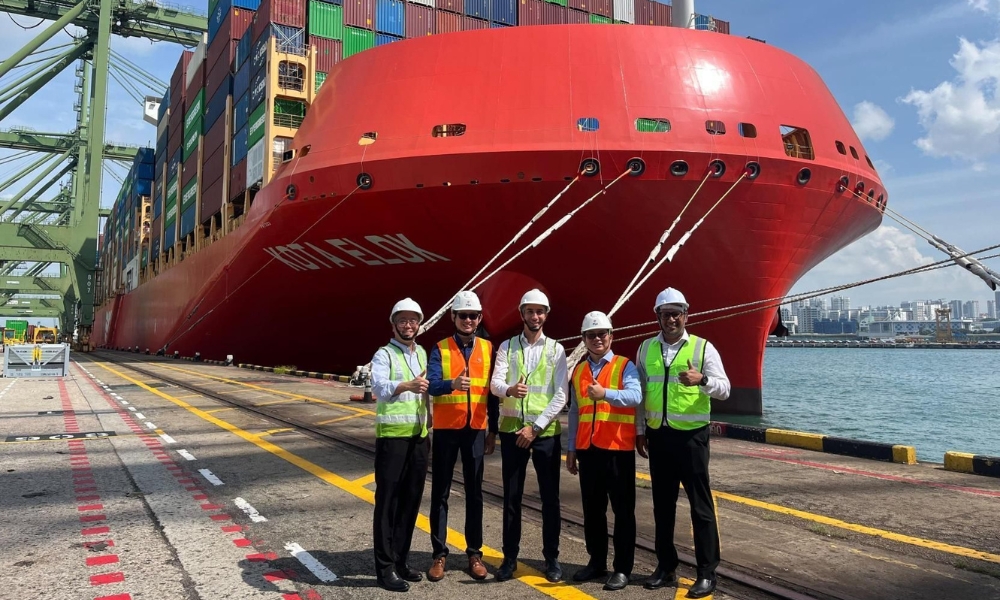
PIL’s LNG dual-fuel boxship “Kota Elok” arrives in Singapore on maiden call
As the first of 13 new 13,000 TEU vessels joining its fleet, Kota Elok is equipped to operate on LNG and low-sulphur fuel oil that helps reduce our greenhouse gas emissions.
LNG Bunkering
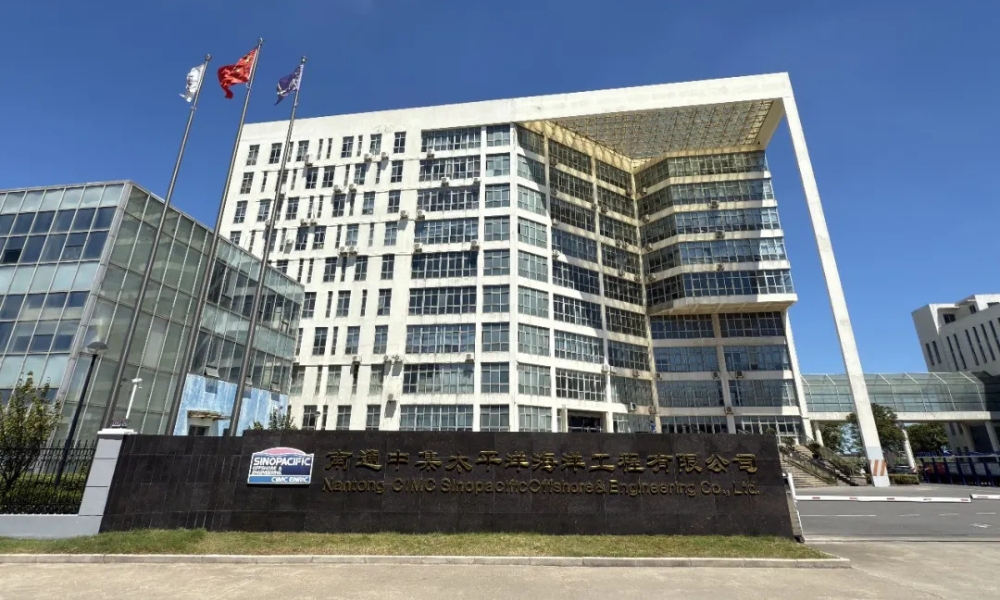
CIMC SOE secures order for 12,000-cbm LNG bunkering vessel from Sinopec Clean Energy
Once operational, the vessel is expected to strengthen Sinopec’s domestic coastal LNG bunkering network and help address gaps in China’s alternative fuel bunkering infrastructure.
Nuclear
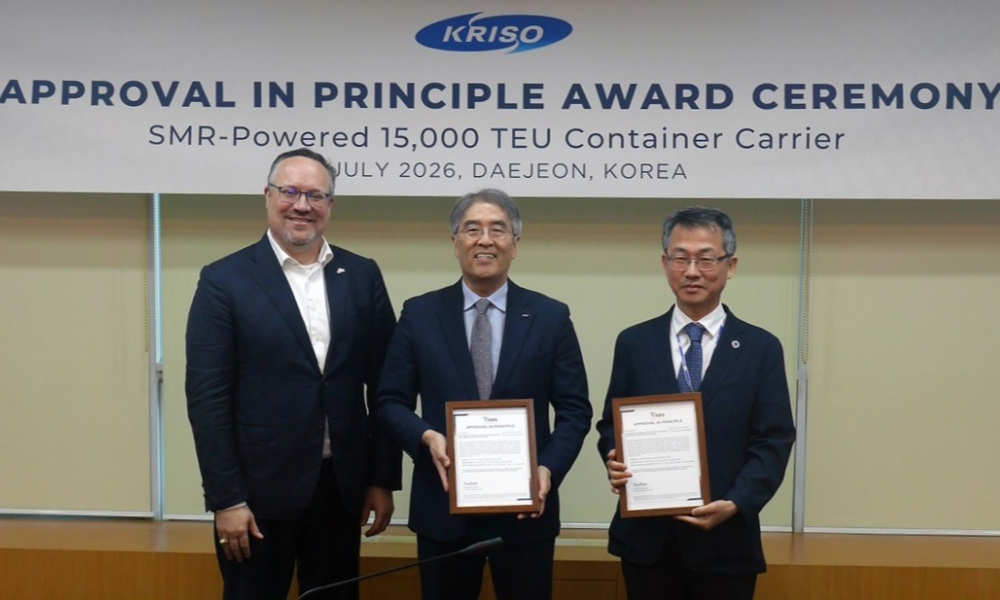
ABS awards AiP to Korean institute for SMR-powered container ship concept design
KRISO says AiP recognises the technical feasibility and safety of its concept design, marking an important milestone toward the development of next-generation nuclear-powered commercial ships.

OUR INDUSTRY PARTNERS

Singapore: Ofiniti, ONE trial direct platform integration to streamline bunker workflows

Singapore withdraws remaining 127 charges against Hin Leong founder OK Lim

Singapore: Coastal Logistics Pte Ltd to be wound up voluntarily

PIL’s LNG dual-fuel boxship “Kota Elok” arrives in Singapore on maiden call

CIMC SOE secures order for 12,000-cbm LNG bunkering vessel from Sinopec Clean Energy

ABS awards AiP to Korean institute for SMR-powered container ship concept design

EXMAR’s “ANTWERPEN” completes first commercial voyage using ammonia bunker fuel

ENGINE: Europe and Africa Fuel Availability Outlook (8 July 2026)

Malaysia: Maharani Freeport to implement MFM and e-BDN technologies for enhanced bunkering transparency

Evergreen Marine director questioned, offices searched in Taiwan insider trading probe

Singapore retains world’s leading maritime centre ranking in 2026 ISCD Index

Singapore: MPA issues circular on resolutions adopted by IMO MEPC 84

Singapore: Bunker fuel sales up by 1.6% on year in June 2026

Malaysia: MMEA detains tugboat with undocumented 10,000 litres of diesel in Kuala Langat
-
 Bunker Fuel Availability2 weeks ago
ENGINE: Europe and Africa Fuel Availability Outlook (8 July 2026)
-
 Technology1 week ago
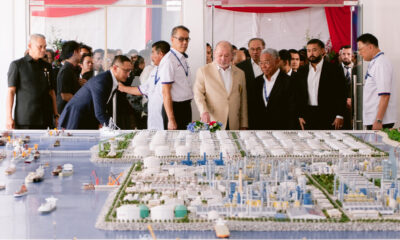
Malaysia: Maharani Freeport to implement MFM and e-BDN technologies for enhanced bunkering transparency
-
 Legal2 weeks ago
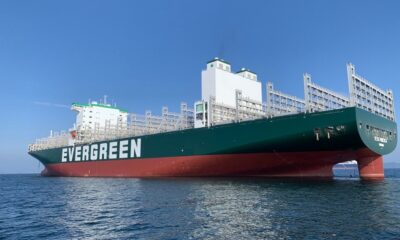
Evergreen Marine director questioned, offices searched in Taiwan insider trading probe
-
 Business2 weeks ago
Singapore retains world’s leading maritime centre ranking in 2026 ISCD Index
-
 Port & Regulatory1 week ago
Singapore: MPA issues circular on resolutions adopted by IMO MEPC 84
-
 Bunker Fuel7 days ago
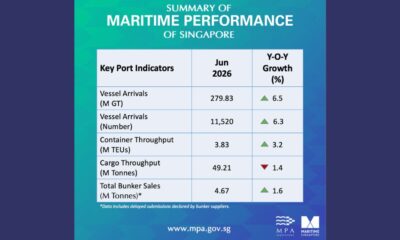
Singapore: Bunker fuel sales up by 1.6% on year in June 2026
-
 Vessel Arrest1 week ago
Malaysia: MMEA detains tugboat with undocumented 10,000 litres of diesel in Kuala Langat
-
 Alternative Fuels1 week ago
Port of Santos hosts Brazil’s first bioethanol bunkering of deep-sea containership