Connect with us

IMO 2020

WoodMac Asia Pacific experts explain IMO 2020 impact on sectors

Wood Mackenzie discusses how the 0.5% sulphur cap will change downstream, upstream, LNG and bulks sectors.

Admin

Published

on

5cd25d3184e39 1557290289

Global energy, chemicals, renewables, metals and mining research and consultancy group Wood Mackenzie on Tuesday (7 May) issued an industry update discussing how the upcoming IMO 2020 regulation which introduces a 0.5% sulphur cap on marine fuel will change downstream, upstream, LNG and bulks sectors:

Implementation of IMO 2020 regulation is just eight months away and its implications will be felt beyond refining and shipping. Wood Mackenzie’s Asia Pacific experts weigh in on what this means for the different sectors.

Expect wider light-heavy and sweet-sour crude price differentials

Research director Sushant Gupta said: “Because of the IMO regulation, we expect a stronger gasoil (S<0.5 wt %) and a weaker high-sulphur fuel oil (HSFO) crack (the price difference to crude), meaning wider light-heavy and sweet-sour differentials, which in turn translate to knock on effect on crude price differentials.

“So heavier and high sulphur or sour crudes such as Dubai and Maya which produce more HSFO will depreciate in value and lighter and low sulphur crude such as Bonny Light will appreciate in value in the early 2020s. Of particular interest to LNG pricing is the Japanese JCC crude benchmark. JCC represents 90% of Middle Eastern medium sour crudes and hence follows the trend for Dubai crude.”

Canada could be most impacted of the top global sour crude producers

On upstream, research director Angus Rodger, commented: “On the face of it the financial impact of IMO 2020 on big upstream producers of sour crudes – Saudi Arabia, Russia and Iraq – could be significant. With heavier sour crudes expected to fall in value relative to lighter sweeter grades, revenues of the big national oil companies (NOCs) that operate in these countries should be directly hit.

“However, it is not as simple as many of these NOCs can use their equity refinery capacity to mitigate the effects. These countries are also some of the lowest cost global producers, and so while there may be some revenue impact, it will not be enough to directly influence field breakevens or output.

“That said, the pain may be greater for another one of the top five global sour crude producers, Canada. Over half of the 3 million b/d of oil sands output is not upgraded and sold as diluent-blended heavy grades like Western Canada Select (WCS). For those companies that sell their crude direct onto the open market, the price impact will be significant and painful. This will be compounded by oil sands’ high cost of production and transportation bottlenecks.

“And there will also be upside, particularly for countries such as Brazil and the US that produce large quantities of heavy-sweet and light-sweet crudes respectively. IMO 2020 should lead to price upside for these grades, will be in greater demand due to their lower sulphur content.”

Potential cost savings for North East Asian LNG contracts

IMO impacts LNG in two main ways: shipping and contracting.

Research director Nicholas Browne, explained: “The first impact is on LNG bunkering, and we expect global LNG bunkering demand to reach 9 mmtpa by 2025. It is also leading to more LNG fuelled ships being built.

“The second impact is the value of LNG within contracts. The Japanese crude cocktail is used for around 40% of LNG contracts. Its value will fall relative to Brent. For North East Asian buyers this could mean a saving of approximately US$2.5 billion in 2020 alone.”

Impact on ocean freight means higher costs for bulks

Principal analyst Rohan Kendall said: “Ocean freight is where the largest impact from IMO 2020 regulations lie for bulk commodities. Limited uptake of scrubber installation so far and a limited availability of VLSFO will mean most bulk carriers switch to higher priced diesel for compliance.

“Brazilian iron ore shipments to China will see largest increases, due to distance travelled, potentially rising by over US$6/tonne (more than 40%). Freight from Australia and Indonesia to North Asia will increase by between US$1.7/tonne and US$2.9/tonne.

“Diesel price increases will only lead to a US27cents/tonne (1.3%) increase in average FOB costs for iron ore mines. However, the impact will not be evenly spread. Mines that use trucking for long-distance transport, have diesel-fired power generation, or have a high ratio of material moved to marketable production will be affected most.

“On thermal coal, Indonesia, the world’s largest thermal coal exporter, will see a larger cost increase compared to Australia, the second largest exporter of thermal coal. This is because Indonesian mines almost exclusively use diesel powered mining equipment, have long truck hauls to barge ports, and utilize diesel powered barges for river based transport. Australia, on the other hand, has a higher proportion of electrified mining equipment and conveyors.”

Source: Wood Mackenzie
Published: 8 May, 2019


Continue Reading

Ammonia

AM Green plans to build green ammonia plant at Indian port

Initiative also includes development of green ammonia handling, storage and bunkering infrastructure, pilot bunkering operations, safety procedures and training programmes, says VOC Port Authority.
Admin

Published

on

By

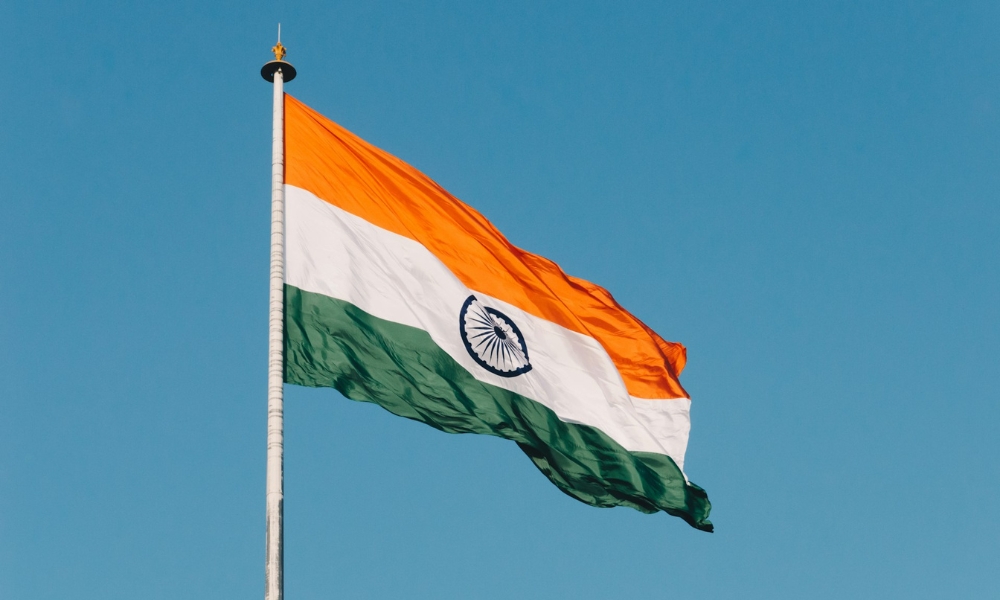
india flag

VO Chidambaranar (VOC) Port Authority on Friday (29 May) said it has signed a Memorandum of Understanding (MoU) with India’s ammonia producer AM Green Ammonia to collaborate in the development of a green ammonia production plant.

The plant will have a capacity of one million tonnes per annum (MTPA) at Tuticorin.

The initiative also includes development of green ammonia handling, storage and bunkering infrastructure, pilot bunkering operations, safety procedures and training programmes. 

The project is expected to support the development of green fuel corridors connecting VOC Port with major ports in Europe and Asia, thereby strengthening India’s position in the global green fuels value chain.

VOC Port also signed a Memorandum of Understanding (MoU) with Bureau Veritas (India) Pvt. Ltd., to collaborate on Green Port certification, emissions accounting, ESG reporting, safety validation, development of green bunkering practices, and establishment of a Centre of Excellence for green fuels and sustainability.

The port also plans for an upcoming 750 m³ green methanol bunkering facility.


Photo credit: Naveed Ahmed on Unsplash
Published: 3 June, 2026

Continue Reading

Port & Regulatory

Study: Major drop in ship sulphur emissions confirmed following IMO regulations

National Centre for Atmospheric Science study found that the average sulphur content in ship fuel dropped nearly tenfold in open ocean areas following IMO’s 2020 regulation.
Admin

Published

on

By

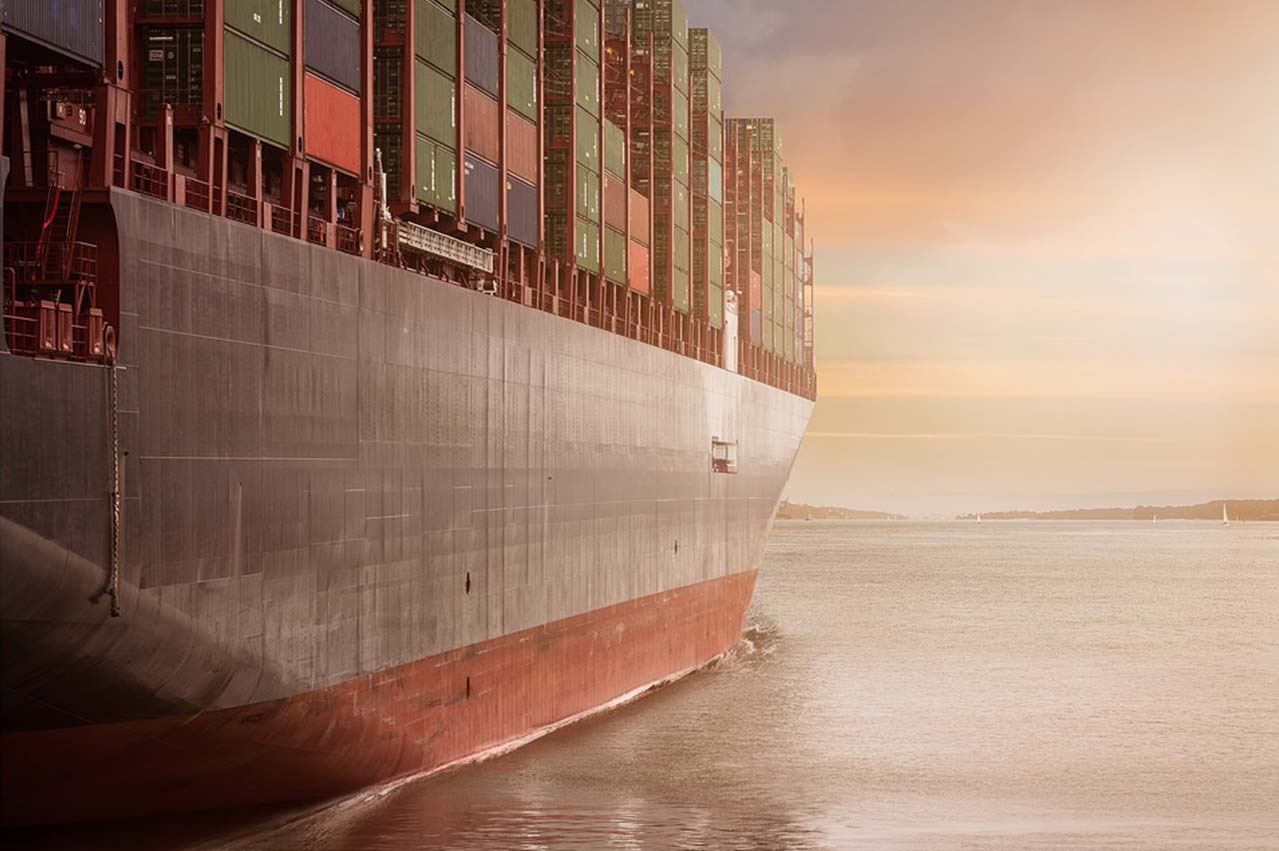
shraga kopstein on Unsplash

Recent global regulations have significantly reduced sulphur emissions from ships, helping to improve air quality in coastal regions – confirmed by a recent international study led by researchers at the National Centre for Atmospheric Science. 

The research, published in Environmental Science: Atmospheres, used aircraft and ground-based instruments to measure sulphur dioxide and nitrogen oxides emitted by ships in the North-East Atlantic and European coastal waters between 2019 and 2023.

The team found that the average sulphur content in ship fuel dropped nearly tenfold in open ocean areas following the International Maritime Organization’s 2020 regulation, which capped sulphur content in marine fuel at 0.5%. 

Before the change, many ships exceeded the previous 3.5% limit. After 2020, only a small number of ships were found to breach the new standard.

In European sulphur Emission Control Areas (SECAs), such as the English Channel and the Port of Tyne, sulphur levels were even lower – well below the stricter 0.1% limit. Interestingly, ports outside these zones, like Valencia in Spain, also showed low sulphur levels, likely due to EU rules requiring cleaner fuel when ships are docked for extended periods.

This is the first study to use aircraft-based measurements and predictions from the Ship Traffic Emission Assessment Model (STEAM3) to assess ship emissions outside of sulphur control zones since the 2020 regulation came into effect. The findings support the widely held view that ships now emit around seven times less sulphur than before the rule change – an important step toward cleaner air and healthier coastal environments.

Note: The research, titled ‘SO2 and NOx emissions from ships in North-East Atlantic waters: in situ measurements and comparison with an emission model’ can be found here. 


Photo credit: shraga kopstein on Unsplash
Published: 8 December, 2025

Continue Reading

Interview

IBIA Annual Convention 2025: ‘Exciting times’ for post IMO 2020 bunker suppliers, states Equatorial

Choong Sheen Mao, Chief Operating Officer, Equatorial, describes to Manifold Times the pre/post IMO 2020 challenges and evolution of bunker suppliers.

Admin

Published

on

By

Sheen Mao MT

The International Bunkering Industry Association (IBIA) will be hosting its flagship Annual Convention in Hong Kong at the Hong Kong Convention Exhibition & Convention Centre between 18 to 20 November 2025, as part of Hong Kong Maritime Week.

Choong Sheen Mao, Chief Operating Officer, Equatorial Marine Fuel Management Services (Equatorial), speaks to bunkering publication Manifold Times about the challenges of a post IMO 2020 bunker supplier.

MT: How does Equatorial continue to offer customer assurance and maintenance of marine fuel quality to ISO8217 standards despite increasing complexity of bunker fuel blends?

We maintain our focus to provide compliant, quality and competitively priced products to our customers. There is no shortcut. We source our products from a wide range of cargo producers and suppliers. We continue to be strict and vigilant with our testing programme for our products before delivering them to our customers. Equatorial has deepened our engagement with the wider industry to have a better and up-to-date understanding of the existing and new marine fuels.

MT: Can you share the evolution of commercial marine fuel procurement, blending and trading strategies on the back of increasing fuel types (pre/post IMO 2020)?

Pre IMO 2020, the main types of marine fuel procured and consumed by vessels were high-sulphur fuel oil, marine diesel oil and marine gas oil. Trading strategies were therefore closely linked to that within the oil industry.

However, many of the new fuel types are from other industries. For example, biofuels, methanol and ammonia are mainly products from the chemical and agriculture industries. There are marked differences between these industries and the energy industry (in particular, the marine fuels industry). LNG is from the gas industry which is distinct from the oil industry.

Without an existing liquid paper market for many of these commodities (especially as a marine fuel), the price risk management is less straightforward. Furthermore, commodity prices are no longer the sole consideration for price itself. The price of compliance must be considered. This could range from guaranteeing the origin of the marine fuel, its sulphur properties as well as its carbon intensity. The list goes on.

MT: Operational wise, what are the changing role and responsibilities of a bunker supplier to date, compared to before IMO 2020?

The role and responsibility of a bunker supplier have evolved. Fundamentally, it has been about providing quality marine fuels at competitive prices. Quantity assurance has been a critical concern which led to the mandatory implementation of the mass flow meter system for bunkering in the Port of Singapore. Interestingly, due to the nature of credit terms in the bunker industry, bunker suppliers also performed the role of “bankers” by extending favourable credit terms to shipowners and charterers.

These days, post IMO 2020, things have become even more complicated. Today, a bunker supplier retains the abovementioned roles and responsibilities, and much more – it has to ensure compliance with a plethora of rules and regulations. Compliance not only with sulphur cap requirements, but with international and regional sanctions and restrictions unrelated to the quality of the marine fuel itself. In fact, especially with alternative low- and zero-carbon marine fuels, this means compliance with standards, rules and regulations on sustainability such as the European Renewable Energy Directive and/or International Sustainability and Carbon Certification. There is also the need to comply with increasingly stringent safety regulations on both conventional and alternative marine fuels.

In addition to the above, a post IMO 2020 bunker supplier is still expected to supply compliant and quality fuel at competitive prices.

MT: Equatorial is Singapore’s largest local-born supplier; what is the next big thing for the company?

Equatorial continues to adapt and improve with the times, while maintaining its core values – Integrity, Teamwork, Commitment, Proficiency and Quality, and Safety and Environment. The bunker industry is a highly competitive one, and it is our intention to keep our competitive edge and remain relevant. This means that we have had to step out of our comfort zone and embrace the two mega trends of our time – digitalisation and decarbonisation.

We have been early adopters and developers of the electronic bunkering note as part of our own digital bunkering efforts. We have diversified our product offering to include low carbon marine fuels and are proud to be one of the pioneers for bunkering B100 biofuels earlier this year. This was made possible by the arrival of our IMO Type II chemical and oil bunker tankers. These same bunker tankers are also capable for carrying and delivering methanol. Equatorial has invested in an LNG bunkering vessel (LBV) newbuilding that is set to be delivered in Q3 2027. We are also involved in a study to develop low- or zero-carbon ammonia bunkering in Singapore.

These are exciting times.

Note: Choong Sheen Mao is amongst panellists featured in ‘Session Three: Bunker Sellers Panel’ at the IBIA Annual Convention 2025.

Join the Conversation

With over 300 delegates expected, the IBIA Annual Convention 2025 is set to be a defining moment for the marine fuels industry. Registration is now open via the IBIA Annual Convention website.


Photo credit: Manifold Times
Published: 31 October 2025

Continue Reading

Trending