
Environment
DNV Decarbonisation Insights: Singapore speeds up maritime decarbonisation

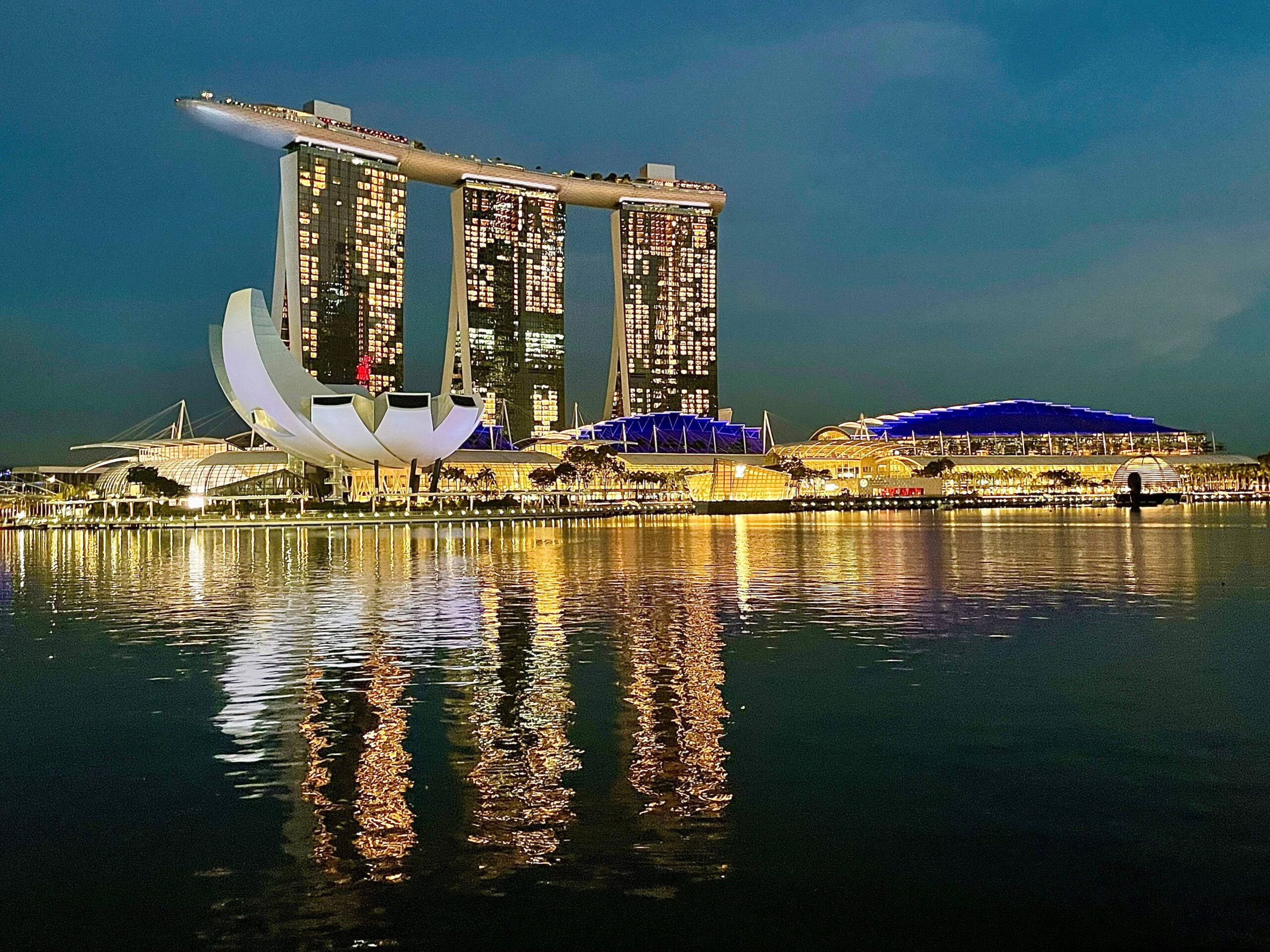
A review of APM and SMW
If there is one country in the world – and a small one at that – which has grasped the challenge of accelerating the decarbonisation of the maritime industry, it is Singapore. And so it should, as it is consistently rated as the world’s leading bunkering hub, as well as the second busiest port in terms of container throughput.
But there is more to that. The Leading Maritime Cities of the World report, compiled in cooperation between DNV and Menon Economics, provides insights into which global hubs offer the best infrastructure, technology, finance, and world-class talent, to help the maritime community to connect and prosper.1
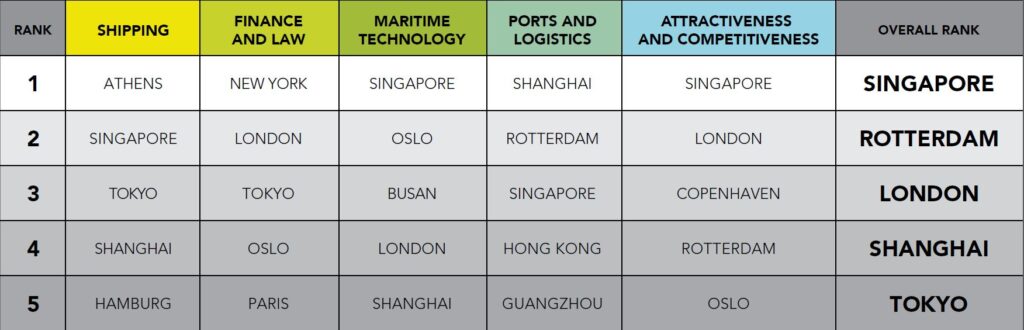
The report benchmarks each maritime city based on five key pillars – Shipping, Maritime Finance and Law, Maritime Technology, Ports and Logistics, and Attractiveness and Competitiveness. The 2022 analysis uses some new and more comprehensive objective and subjective indicators, as well as data sources, to facilitate a more refined benchmarking of the relative performance of each city.
Through all this, Singapore retains the number one spot overall, ahead of Rotterdam, London, Shanghai, and Tokyo.
If it is not enough to come out on top in such an authoritative and independent global assessment, maybe the high level of international, regional, and local attendance at two recent maritime industry events in the island city-state confirms how significant Singapore’s role is for port operators, ship-owners, charterers and everyone else associated with shipping.
In-person vibes at APM and SMW
The three-day Asia Pacific Maritime exhibition and conference at Marina Bay Sands in March recorded more than 7,000 trade attendees, a total of 286 exhibitors from 27 countries and regions, while also bringing together country pavilions from Australia, Germany, Singapore, South Korea, Taiwan, The Netherlands, and United Kingdom.2
As the largest maritime in-person event after two years of pandemic constraints, 60 thought leaders and subject matter experts joined panel discussions for a long-awaited face-to-face experience.
“Decarbonisation: Are we heading in the right direction?” was the title of a lively session at the event. “Yes, but we have to move faster,” insisted panellist Dr Shahrin Osman, the Regional Head of Maritime Advisory at DNV, who is also the Director of the classification society’s Maritime Decarbonisation & Autonomy Centre of Excellence. He pointed out that the whole shipping ecosystem must get “future fuel ready” and stakeholders must move together in a transparent fashion.
Dr Sanjay Kuttan, Chief Operating Officer (COO) of the Global Centre for Maritime Decarbonisation (GCMD), reinforced the importance of collaboration. He also stressed that “there’s no silver bullet and not one single solution.”3
When mentioning a multi-fuel future scenario, he reminded the audience that GCMD and DNV have already embarked on a safety study for the use of ammonia as a bunkering fuel in Singapore.4
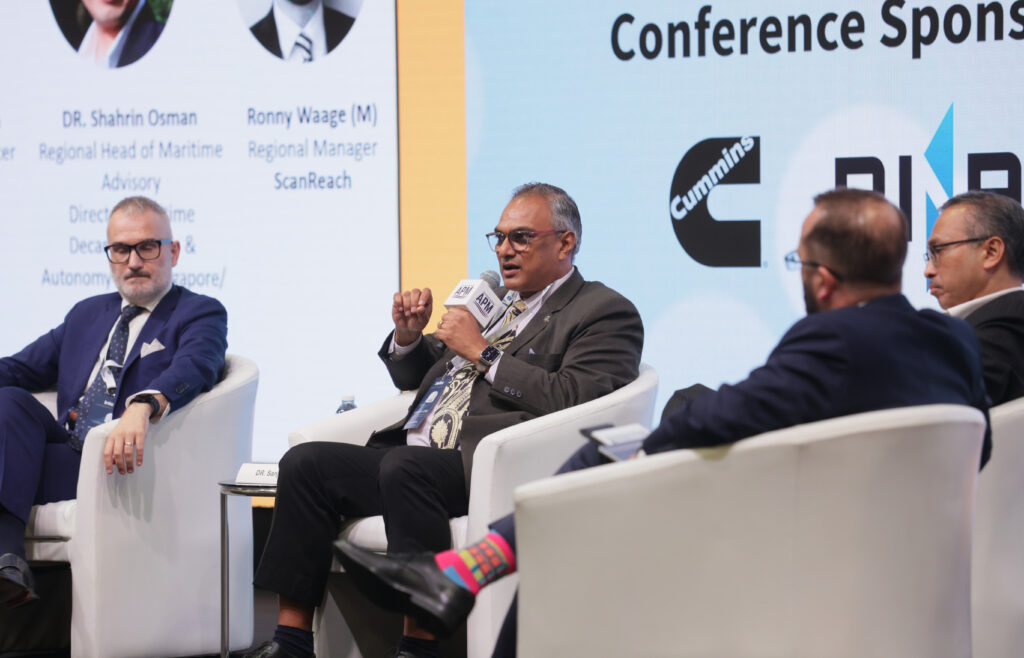
Sanjay Kuttan, CTO of the GCMD, speaking at Asia Pacific Maritime in March 2022 (source: APM)
And this was just the start of an industry debate on the importance of decarbonisation.
The word seemed to be on everyone’s lips at the next major series of shipping events that formed Singapore Maritime Week (SMW), organized by the Maritime and Port Authority of Singapore (MPA) from 4 to 8 April.
Words were quickly backed by concrete actions.
On the first day of SMW, Singapore’s Minister for Transport and Minister-in-Charge of Trade Relations, Mr S. Iswaran, announced that Singapore – together with 22 signatory states – is joining the Clydebank Declaration for Green Shipping Corridors, an initiative to support the establishment of both green shipping corridors and zero-emission maritime routes between ports.5
“Looking ahead, decarbonisation is a major challenge for the maritime industry. We must act – today and together. As a global maritime hub, Singapore seeks to contribute to this critical effort in a flexible and inclusive way,” Minister Iswaran said.
The Maritime Singapore Decarbonisation Blueprint
Reinforcing Singapore’s leadership role in maritime decarbonisation was Deputy Prime Minister and Coordinating Minister for Economic Policies, Mr Heng Swee Keat. When delivering the SMW keynote address, he drew attention to the Maritime Singapore Decarbonisation Blueprint launched by the Government only a month earlier. Under this initiative, the Government will invest at least 300 million S$ over the next ten years in reducing emissions for the maritime industry.
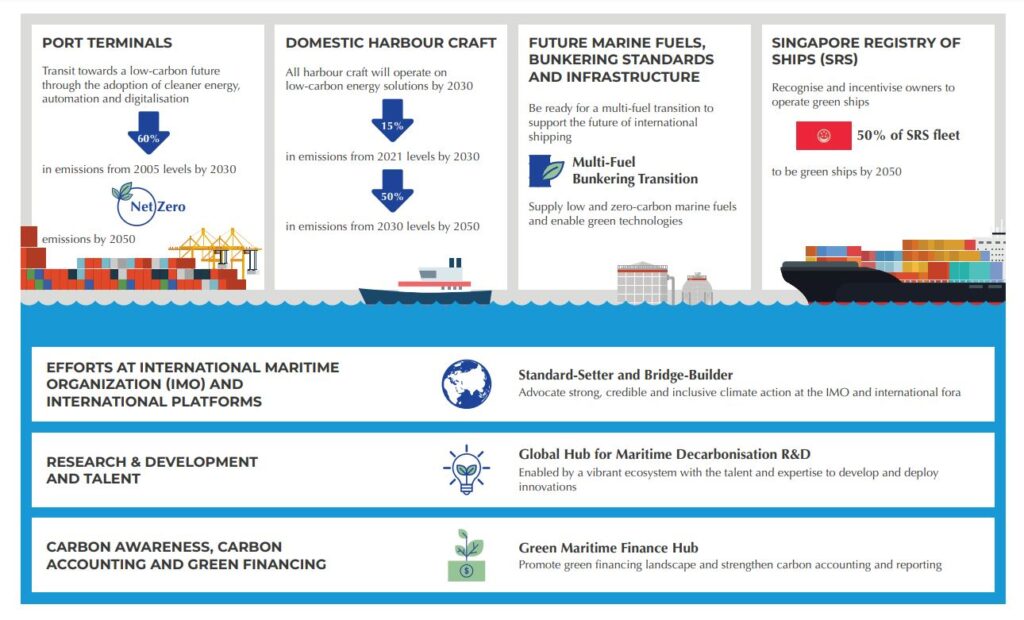
“The Blueprint was developed after in-depth consultations with the industry and recognises the need to green every segment of the supply chain – from our vessels to our port and marine bunkering infrastructure,” he explained.6
“It has ambitious goals, which include making our ports net zero and reducing harbour craft emissions significantly by 2050,” Minister Heng said.
He made it clear that Singapore is also seeking to contribute towards the international maritime green transition.
GCMD adds more partners
Minister Heng referred to the Global Centre for Maritime Decarbonisation (GCMD), which brings together industry partners, researchers, and MPA to drive R&D and to pilot novel decarbonisation solutions. Its funding was made possible through an initial S$120 million contribution from the government and six like-minded industry partners.
GCMD played a prominent role at SMW, announcing that it had brought on board four additional partners – bp, Boston Consulting Group, Chevron, and the International Chamber of Shipping (ICS) – adding to its six founding partners, namely BHP, BW, DNV Foundation, Eastern Pacific Shipping, Ocean Network Express and Sembcorp Marine. Earlier this year, Hapag-Lloyd had already joined the Centre as strategic partner, while partnership agreements were also signed with the Singapore Shipping Association (SSA), the Mærsk McKinney Møller Center for Zero Carbon Shipping, as well as the Global Maritime Forum (GMF).7
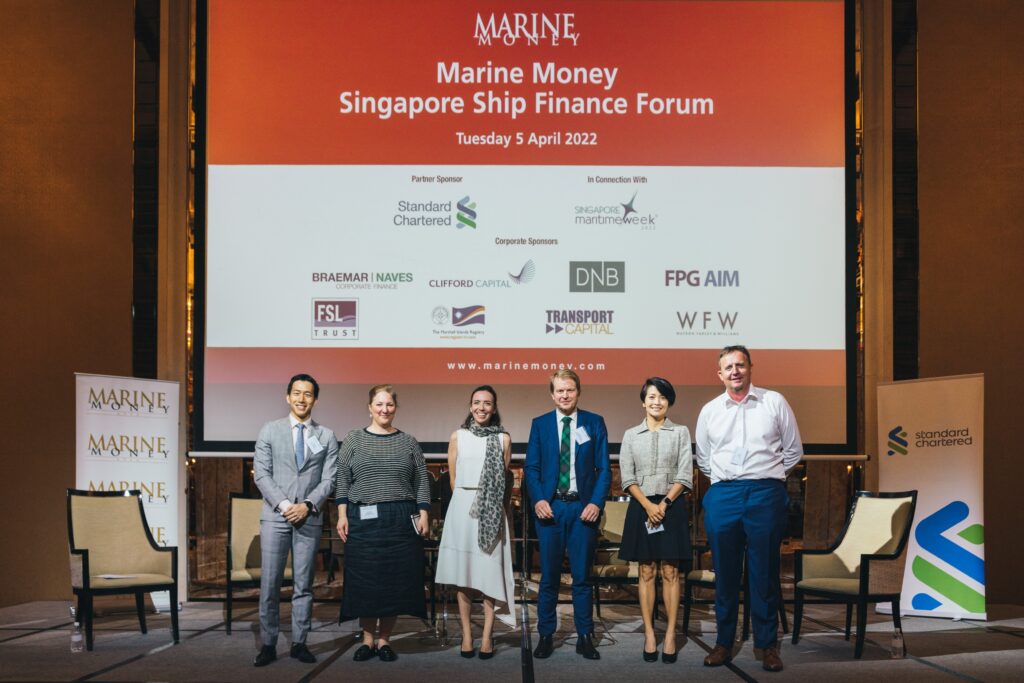
A prominent speaker participating in person at SMW was Bo Cerup-Simonsen, the CEO of the Mærsk McKinney Møller Center for Zero Carbon Shipping, who stressed the need for more “visible leadership” in the global maritime industry to show and to reinforce the necessity to get to Net Zero.
Referring to the partnership agreement signed with GCMD, he said: “We are facing a systemic and industry-wide transformation, and by collaborating, we are significantly increasing our chances for accelerating the transition. We need all hands-on deck, and this partnership is great news for the mission we are on – we are eager to collaborate on selected projects.”
When asked about the challenges the maritime industry faces, Professor Lynn Loo, CEO of GCMD, said: “I see them as opportunities”. She also underlined the importance of safety when introducing alternative fuels like ammonia. “That’s why we’re committed to focus on conducting pilots.”
Further decarbonisation initiatives
Minister Heng, in his keynote address, also noted the recent formation of the Coastal Sustainability Alliance (CSA), a partnership initiated by Kuok (Singapore) Limited Maritime Group to support the electrification of Singapore’s harbour crafts by jointly investing in a network of charging points for electric boats.8
Other international programmes he mentioned include:
- The Future Fuel Port Network formed by Singapore, Japan, and the Port of Rotterdam Authority to develop a roadmap for the adoption of cleaner marine fuels.
- The Castor Initiative, of which Singapore is a member. It acts as a multinational coalition across the entire maritime ecosystem, aiming to design, build, and commission the world’s first ammonia-fuelled tanker by 2025.
Representing container shipping, Jeremy Nixon, CEO at Ocean Network Express (ONE), urged the global industry to move faster to make green fuels available sooner and to produce more ships – or adapt existing vessels – able to safely utilise fuels like green ammonia and hydrogen.
During the week, his company, ONE, announced the successful completion of its third trial of marine biofuel onboard the Singapore-flagged vessel NYK Fuji, noting that the use of green fuel such as biofuel will help to reduce carbon footprint to achieve its environmental sustainability target of net zero emission by 2050.
DNV Group President and CEO joins IAP
Illustrating the importance of public-private partnerships in the maritime world, the newly introduced Maritime International Advisory Panel (IAP), chaired by Minister Iswaran, held its inaugural meeting during SMW.9
Among those who flew in especially for the event was Mr Remi Eriksen, Group President and CEO of DNV, one of the 12 maritime industry leaders appointed to the IAP.
The Maritime IAP highlighted three key trends that would shape the future of a resilient and sustainable supply chain:
- Reconfiguration of supply chains through diversification, regionalisation, and disintermediation.
- Technological advancements, such as digitalisation and automation.
Growing importance of sustainability as countries, corporations and consumers demand a decisive response to climate change.10
MPA goes green
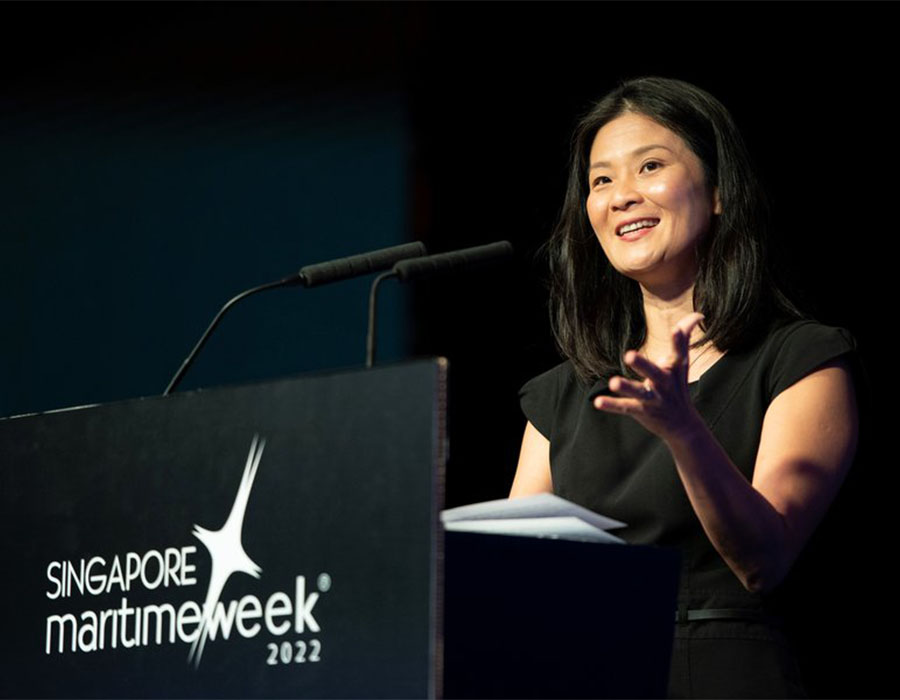
Ms Quah Ley Hoon, Chief Executive of MPA, who prominently featured in the week-long series of events, heavily stressed the need for funding to drive the decarbonisation process in Singapore and beyond.
She drew attention to MPA’s work on a maritime green finance strategy in pursuit of the twin goals of developing Singapore as an International Maritime Centre (IMC) and as a leading Centre for Green Finance in Asia. It is planned to raise awareness of green finance programmes through industry sharing sessions and to explore the development of a standard taxonomy.11
In addition, MPA will continue to identify opportunities to widen and deepen the range of financing solutions in Singapore while creating platforms to match projects to appropriate financing.
Furthermore, MPA signed three Memoranda of Understandings (MoUs) with green shipping consortiums on the ammonia value-chain, with the aim of establishing ammonia bunkering in Singapore on and/or off-shore.
DNV and BHP extend partnership
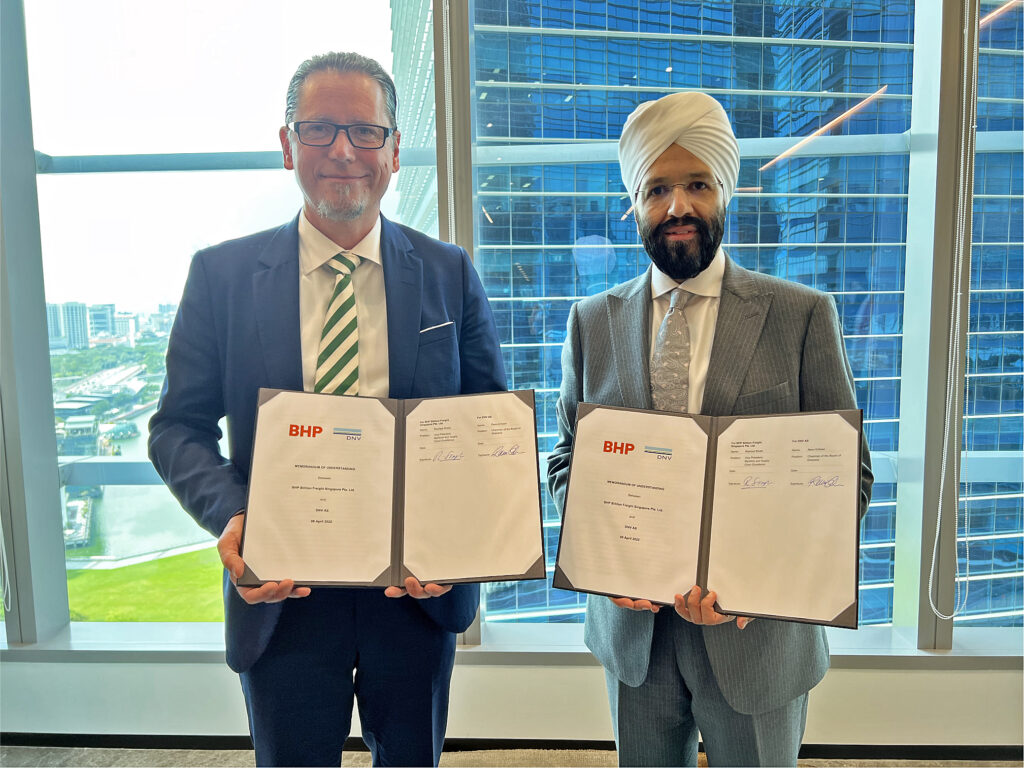
Among the many agreements signed during SMW, a particularly significant one was the renewed MoU between DNV and BHP to further improve safety and to accelerate the decarbonisation of maritime transport. This partnership sees the two organizations collaborating closely to explore technical projects in the areas of digitalization, operational efficiency, and alternative fuels.12
One of the immediate projects under this framework includes the recently announced implementation of DNV’s independent cloud platform Veracity to enable BHP’s goal of achieving net zero Scope 3 maritime emissions by 2050.
Signing the MoU at the BHP office in Singapore was Rashpal Singh Bhatti, Vice President, Maritime and Supply Chain Excellence at BHP, and Remi Eriksen, Group President and CEO of DNV.
To round up the many developments in Singapore’s recent maritime decarbonization journey, we give the last word to DNV Maritime Regional Manager Cristina Saenz de Santa Maria, who actively participated as a panellist at a number of SMW conference sessions.
“We have a robust ecosystem in Asia, especially in Singapore where there is a focus on collaboration and fostering public and private partnerships to move the needle on decarbonisation,” she said. “We must work together and start now! Don’t let perfect be the enemy of good – we have good solutions today that can take us along the journey.”
References:
[1] DNV: The Leading Maritime Cities of the World 2022
[2] Asia Pacific Maritime 2022 Closes On A High Note
[3] Ocean Outlook, ABC Carbon Express
[4] DNV selected to lead pioneering ammonia bunkering safety study in Singapore
[5] Singapore to join Clydebank Declaration on green shipping corridors
[6] SMW 2022: Minister highlights ‘decisive green transition’ in keynote address
[7] GCMD signs on 4 new partners during Singapore Maritime Week
[8] Kuok (Singapore) Limited Maritime Group launches Coastal Sustainability Alliance
[9] SMW 2022: Minister chairs Maritime International Advisory Panel meetings
[10] MPA: Cross-sector Collaborations Critical to Strengthen Connectivity, Resilience and Sustainability of Global Maritime Industry and Supply Chains
[11] MPA: Global Maritime Industry Players Gathered at Maritime Services Leaders Forum to Discuss the Impact of Digitalisation and Decarbonisation on Maritime Services Sectors
[12] DNV and BHP signed renewed MoU in Singapore
Published: 6 May, 2022
Methanol
GENA Solutions: Total renewable and low-carbon methanol project pipeline increases from 61.8 to 62.2 Mt by 2032
Information shared by MI – the Global Methanol Alliance meant to assist the maritime industry in the adoption of methanol as a mainstream marine fuel heading into IMO 2030/2050.
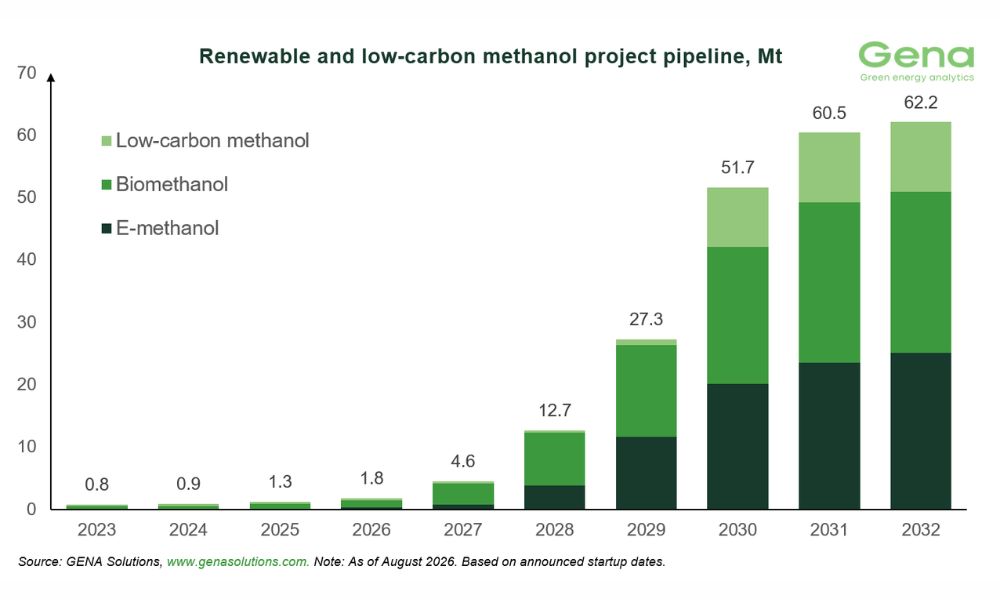
MI – the Global Methanol Alliance recently shared with Manifold Times the renewable and low-carbon methanol project pipeline August 2026 release produced by GENA Solutions Oy.
Information from the release is meant to provide the bunkering publication’s readers with insight on renewable methanol availability, and to assist the maritime industry in the adoption of methanol as a mainstream marine fuel heading into IMO 2030/2050.
Key takeaways from GENA’s August 2026 Methanol release are as follows:
- As of the end of August 2026, GENA tracks 286 renewable and low carbon methanol projects, representing 62.2 Mt of capacity by 2032. This includes 25.1 Mt of e-methanol, 25.9 Mt of biomethanol, and 11.2 Mt of low carbon methanol capacity.
- Two new projects were added to Project Navigator last month, while one frozen project was excluded. The project pipeline increased by 0.4 Mt month on month.
- Four new offtake agreements were registered during August, including two biomethanol and two e-methanol agreements.
- About 8% of the cumulative renewable methanol project pipeline capacity has reached FID so far, with another 11% at the FEED stage.
- Considering the current uncertainty around regulatory developments and demand growth, GENA projects that renewable methanol capacity could reach 6 Mt to 12 Mt by 2031.
Note: The full article can be viewed here.
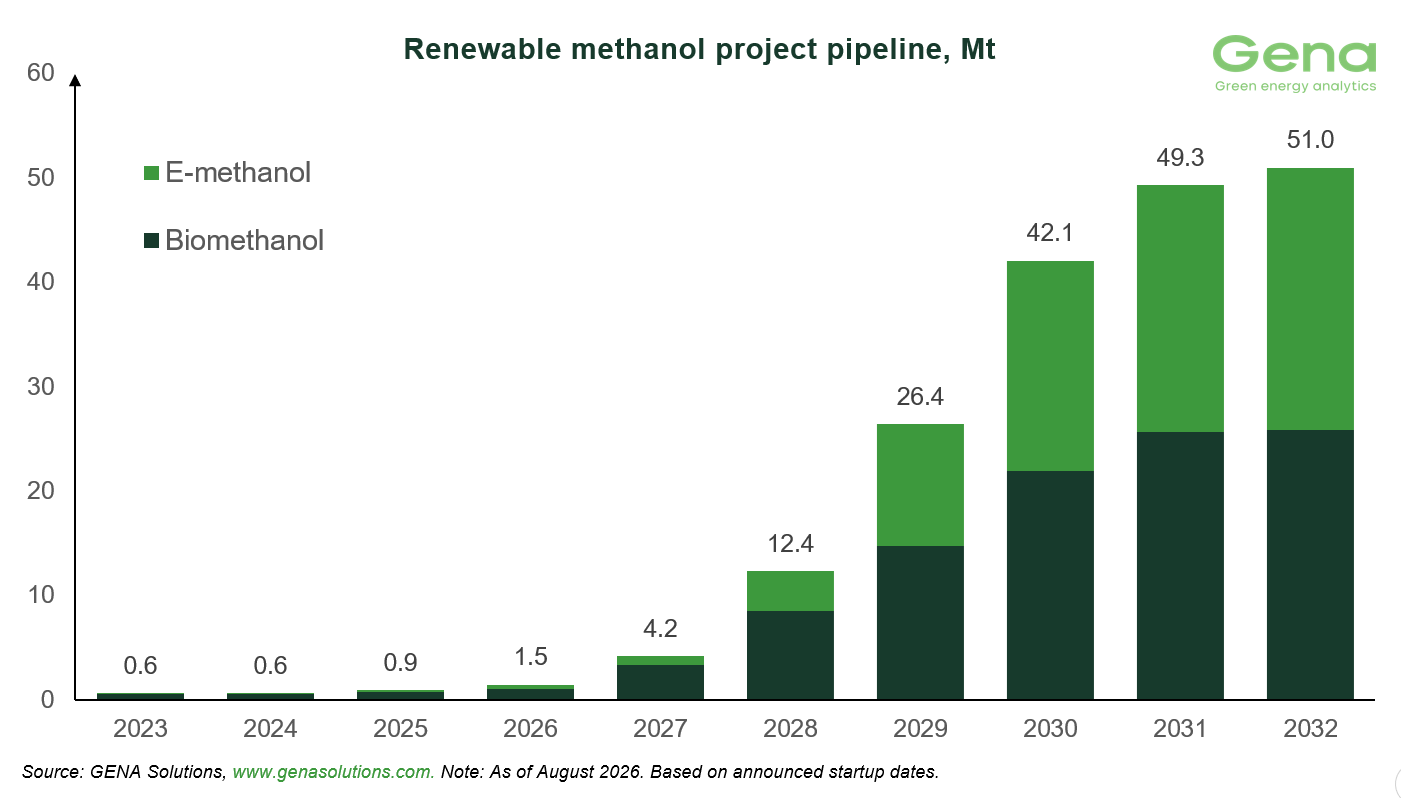
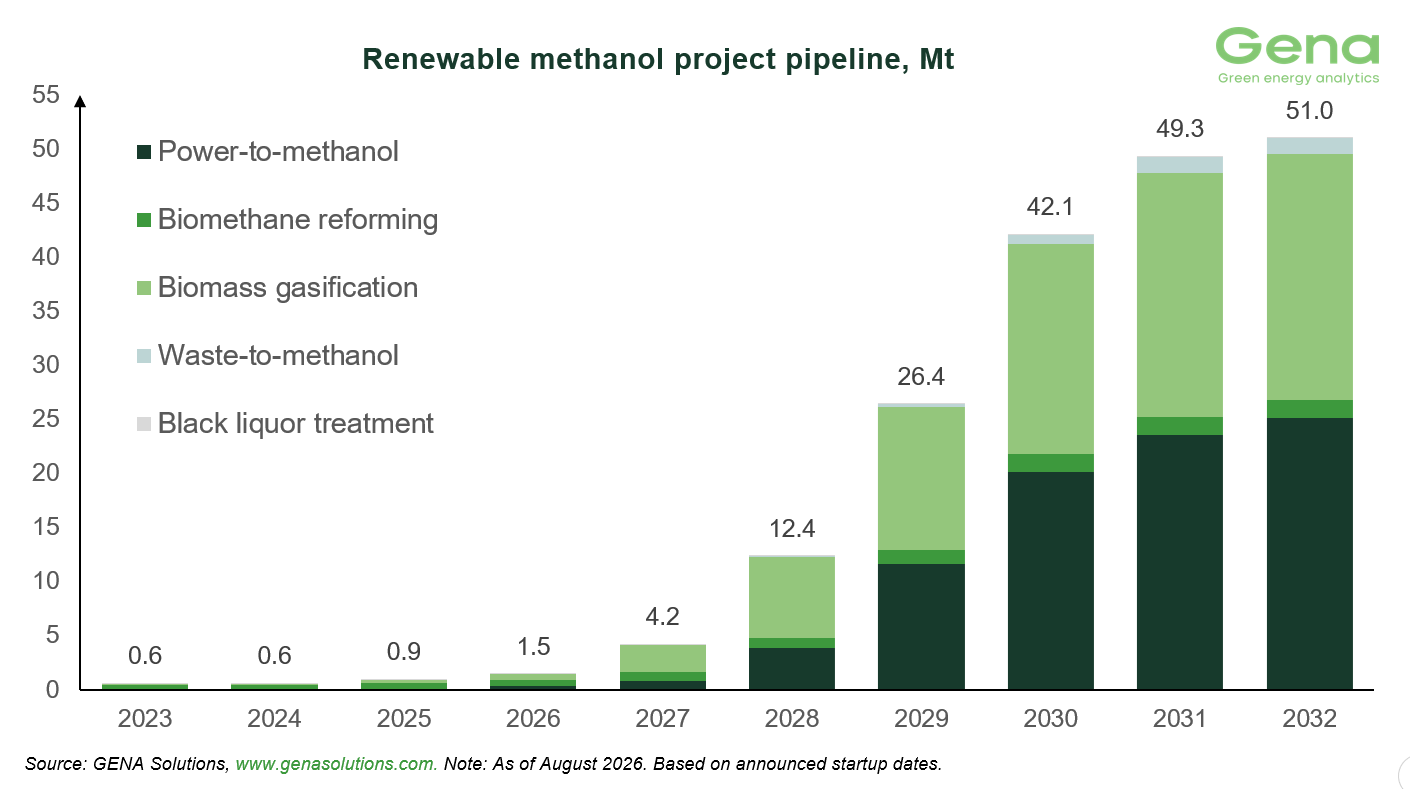
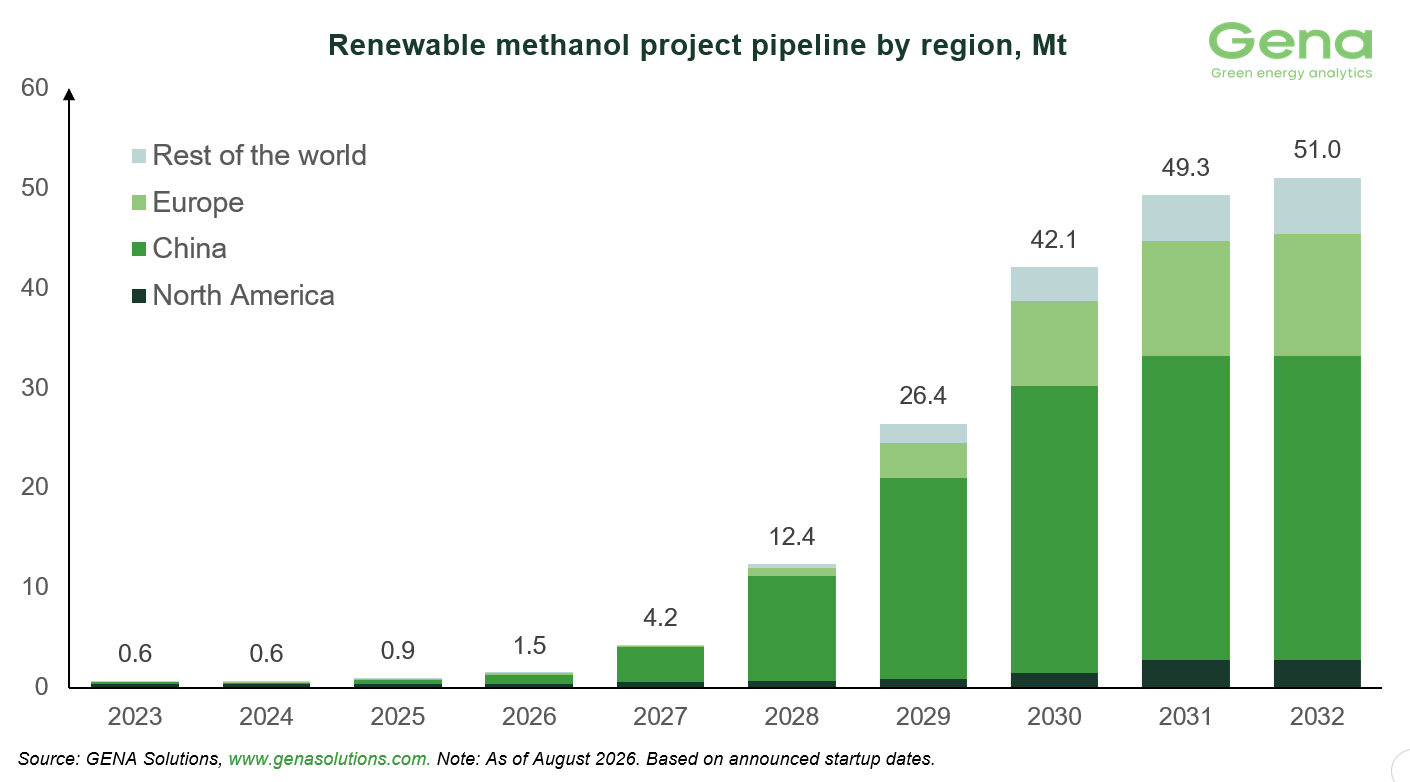
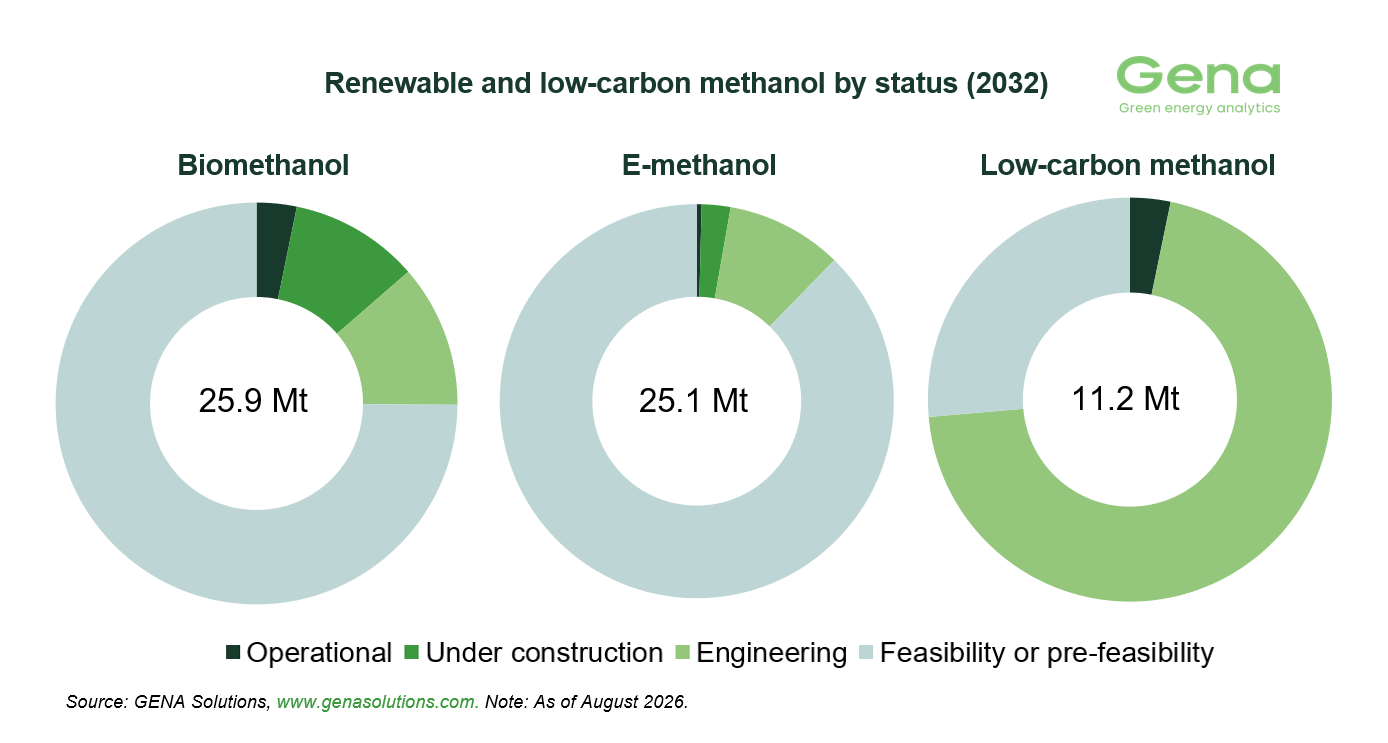
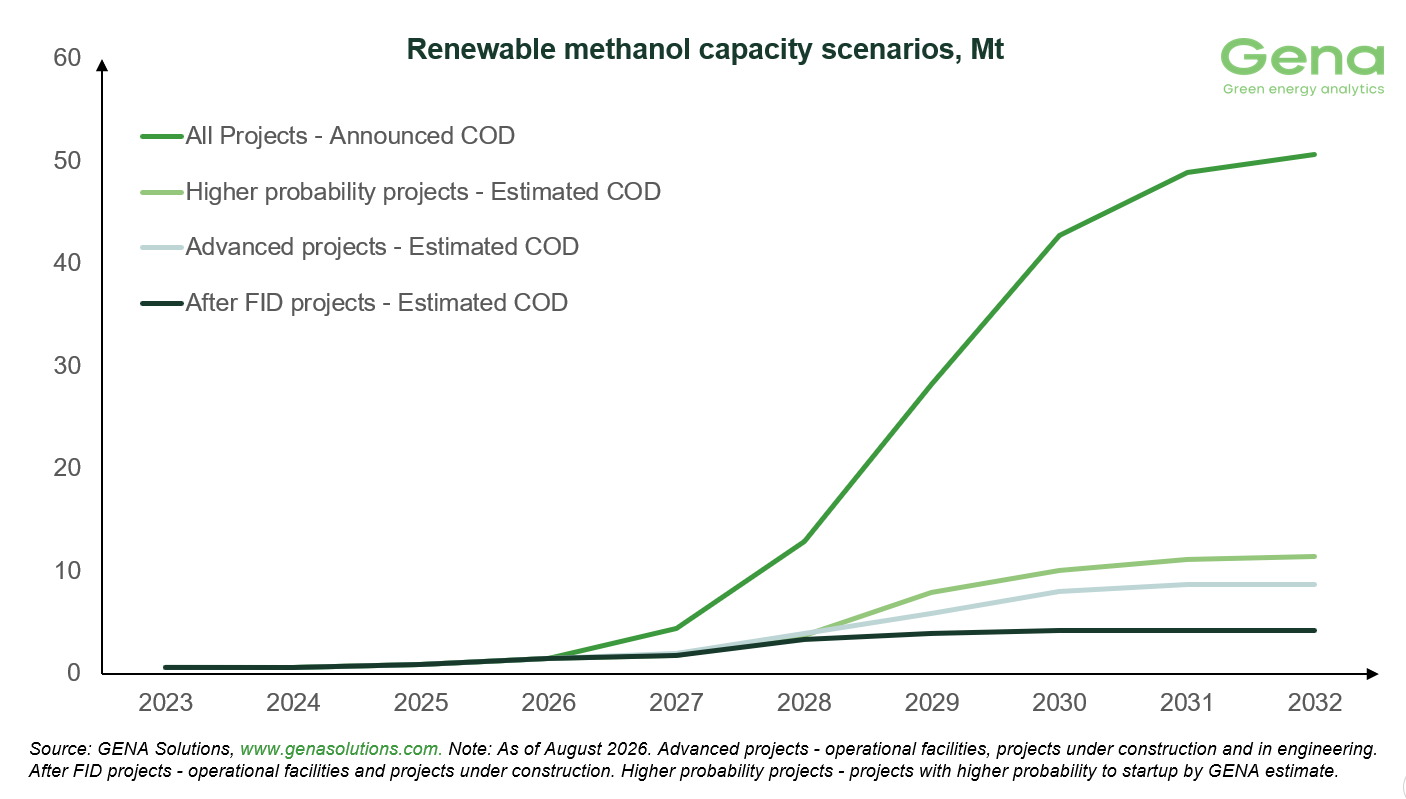
Photo credit: GENA Solutions
Published: 4 September, 2026
Business
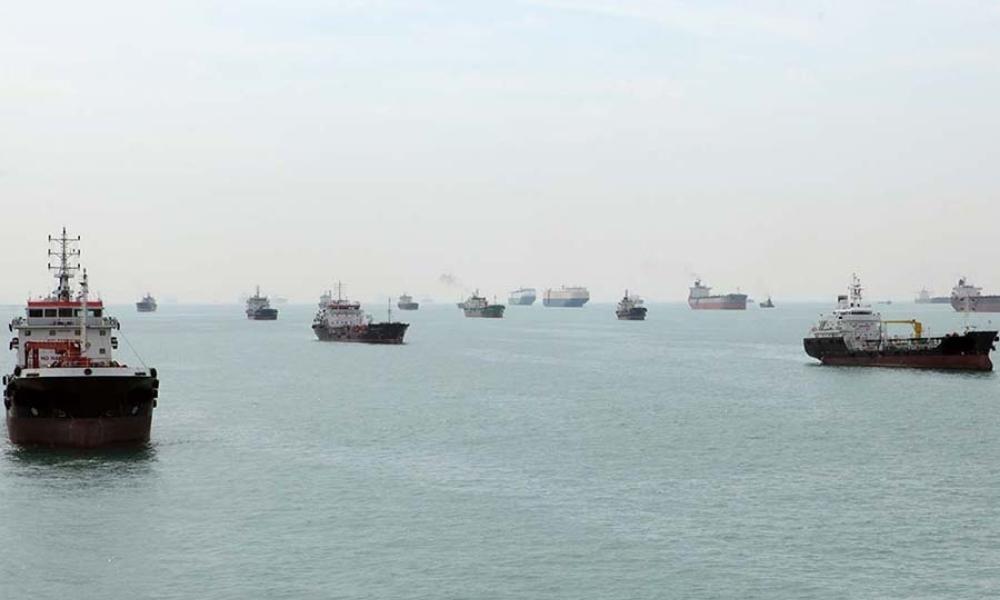
Singapore: MPA urges maritime firms to prepare for potential haze with plan
MPA encourages all maritime companies, especially those with workers performing outdoor work to maintain a business continuity plan for haze.
Alternative Fuels
DNV report: Regulatory uncertainty demands fleet strategies built for multiple futures
Report examines four regulatory scenarios, ranging from adoption of IMO NZF in its current form to its outright rejection, energy efficiency uptake, and long-term bunker fuel and technology strategies.

OUR INDUSTRY PARTNERS

Yang Ming orders six LNG dual-fuel, ammonia-ready containerships from Hanwha Ocean

LR, China’s MARIC unveil tanker concept ready for three future bunker fuels

DNV: Alternative-fuelled vessel orders hit highest monthly level since October 2024

TFG Marine advances global MFM rollout with two US Gulf bunker barges

GENA Solutions: Total renewable and low-carbon methanol project pipeline increases from 61.8 to 62.2 Mt by 2032

Baltic Exchange: Bunker Report (3 September 2026)

ENGINE: Americas Fuel Availability Outlook (3 September 2026)

Singapore-flagged tugboat “Kim Heng 3203” placed under Sheriff’s arrest

US targets five bunker companies in latest sanctions campaign against Iran

Singapore bunkering community supports Living Hope Evangelism’s 7th anniversary outreach for residents in need

China’s bunker market reshaped by tax rebates, trade flows and refining changes, says economist

Hengli Petrochemical’s ex-Singapore trading arm faces winding up application

Report: GCMD outlines practical approach to quantity assurance in marine biofuel supply chains

Rajah & Tann: Bunker disputes are won in the first 48 hours
-
 Vessel Arrest1 week ago
Singapore-flagged tugboat “Kim Heng 3203” placed under Sheriff’s arrest
-
 Sanctions2 weeks ago
US targets five bunker companies in latest sanctions campaign against Iran
-
 Events2 weeks ago
Singapore bunkering community supports Living Hope Evangelism’s 7th anniversary outreach for residents in need
-
 Interview1 week ago
China’s bunker market reshaped by tax rebates, trade flows and refining changes, says economist
-
 Winding up2 weeks ago
Hengli Petrochemical’s ex-Singapore trading arm faces winding up application
-
 Biofuel1 week ago
Report: GCMD outlines practical approach to quantity assurance in marine biofuel supply chains
-
 Bunker Claim4 days ago
Rajah & Tann: Bunker disputes are won in the first 48 hours
-
 Winding up2 weeks ago
Singapore: Notices of intended dividend issued for Ocean Bunkering Services, Hin Leong Marine